
Stop Fighting Your SIPA Rotary Machine
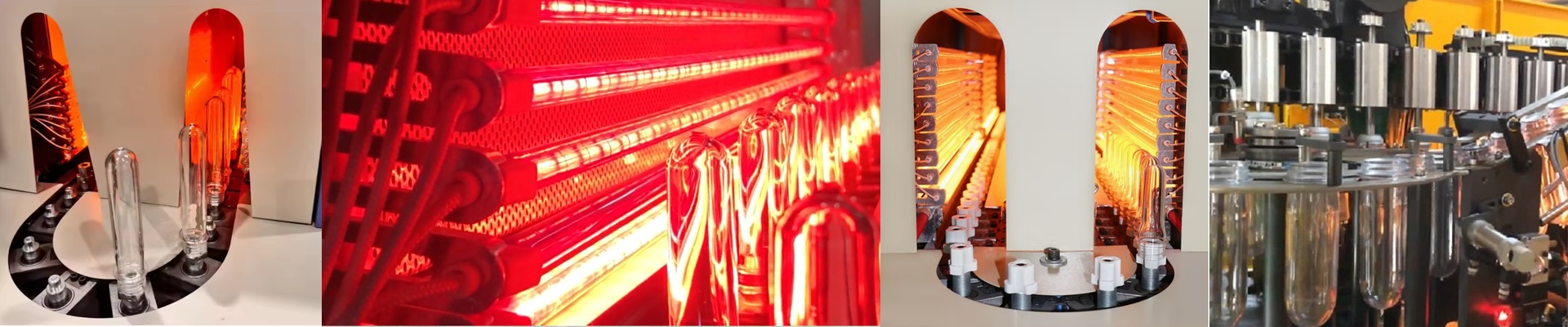
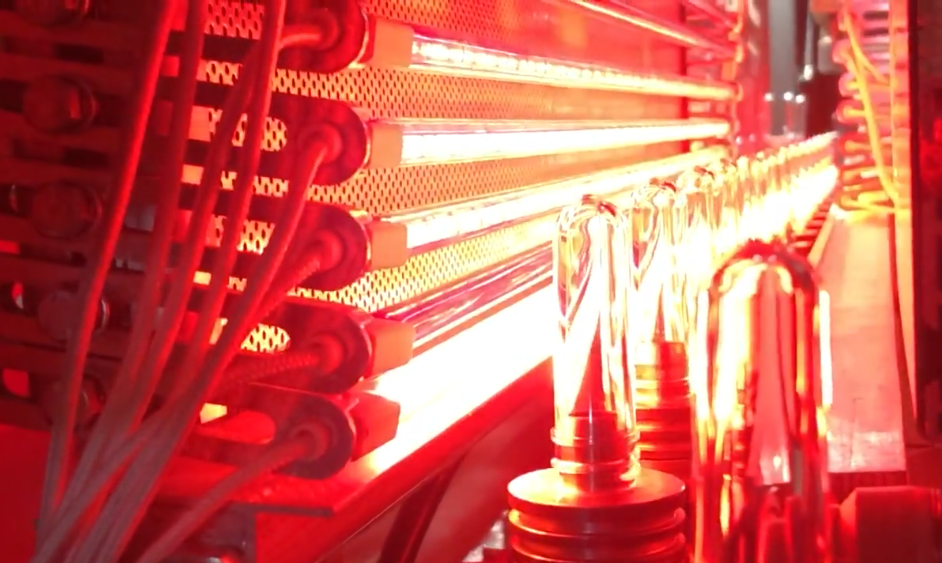
If you’re running a SIPA rotary, you know the headache of inconsistent heating. You see those annoying “cold spots” in your preforms, and suddenly your PET bottles have uneven walls. It’s frustrating. Usually, the problem is simpler than it looks: your power is mismatched. Here’s the thing. If you throw generic quartz tubes into a machine designed for a specific OEM wattage, things go sideways. Even a tiny 5% difference in power shifts the heat density. That’s why your operators are constantly fiddling with the oven temperature, trying to find a sweet spot that doesn’t exist. We build our infrared tubes to hit that power spec exactly. No guessing. When the voltage and wattage are locked in, the heat hits the PET resin at a steady, predictable rate. It just works. The nuts and bolts We use high-purity quartz glass because these things take a beating. Rapid heating and cooling (thermal shock) will kill a cheap bulb in no time. These are built specifically for the brutal environment of a blowing machine. We also obsess over the connectors. A loose fit isn’t just a flicker—it’s a fire hazard. A bad connection creates a hot spot that can melt your housing or fry the lamp way before its time. We make sure the fit is tight. Real talk for the shop floor These are drop-in replacements. You pull the old one out, wire the new one in, and you’re back in business. But a quick heads-up: if you’re buying in bulk to overhaul an older line, take a look at your wiring. High-wattage tubes pull a lot of current. If your cables are old and worn, pushing that much power through them creates resistance and heat. It’s worth a five-minute check to avoid a big headache later. When your tubes are consistent, your bottles are consistent. You stop fighting the equipment and actually start hitting your cycle times.