
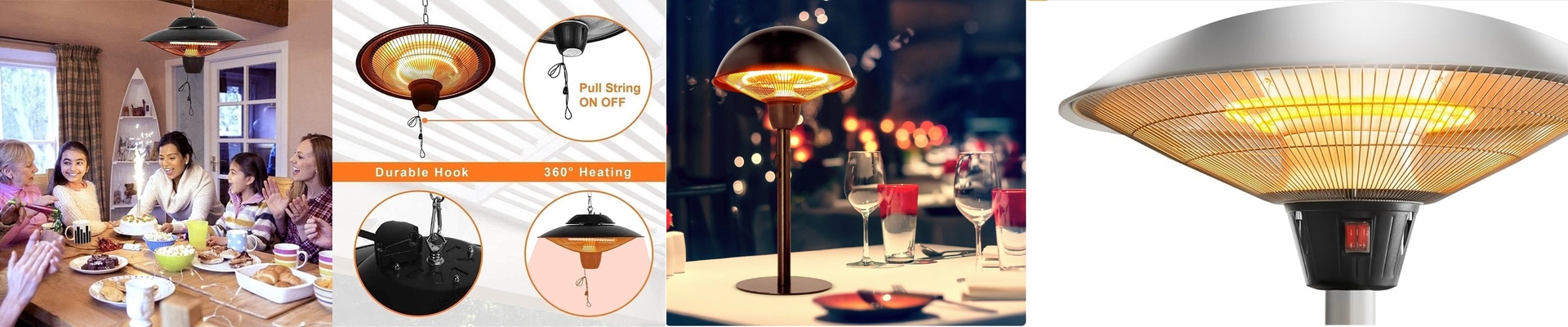

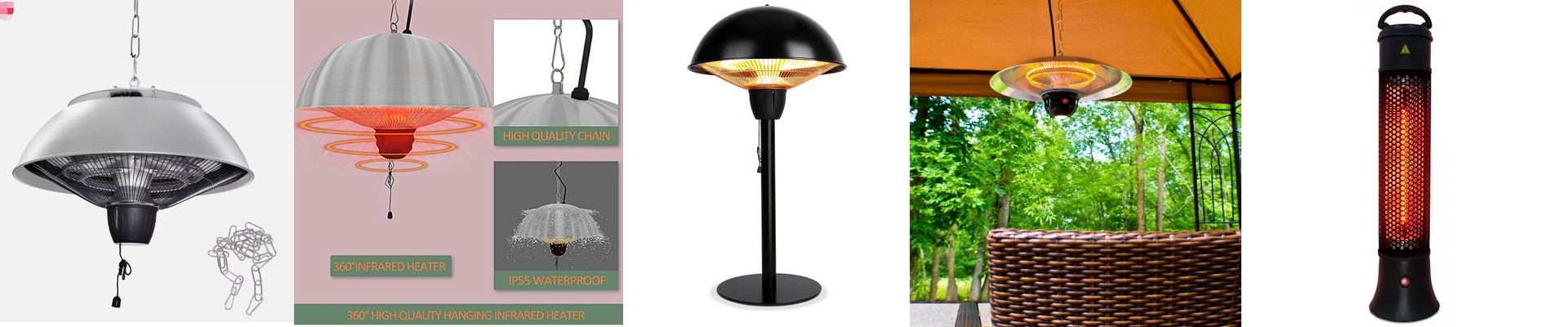
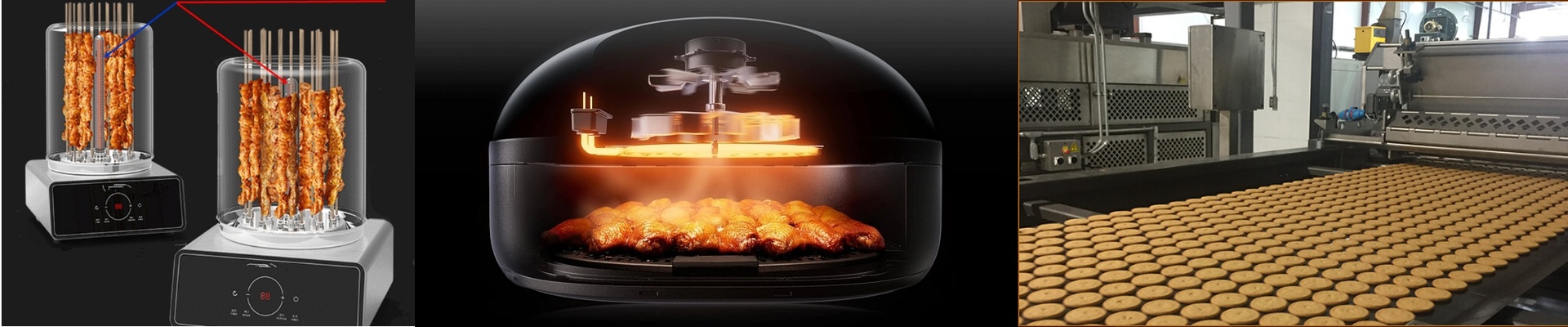
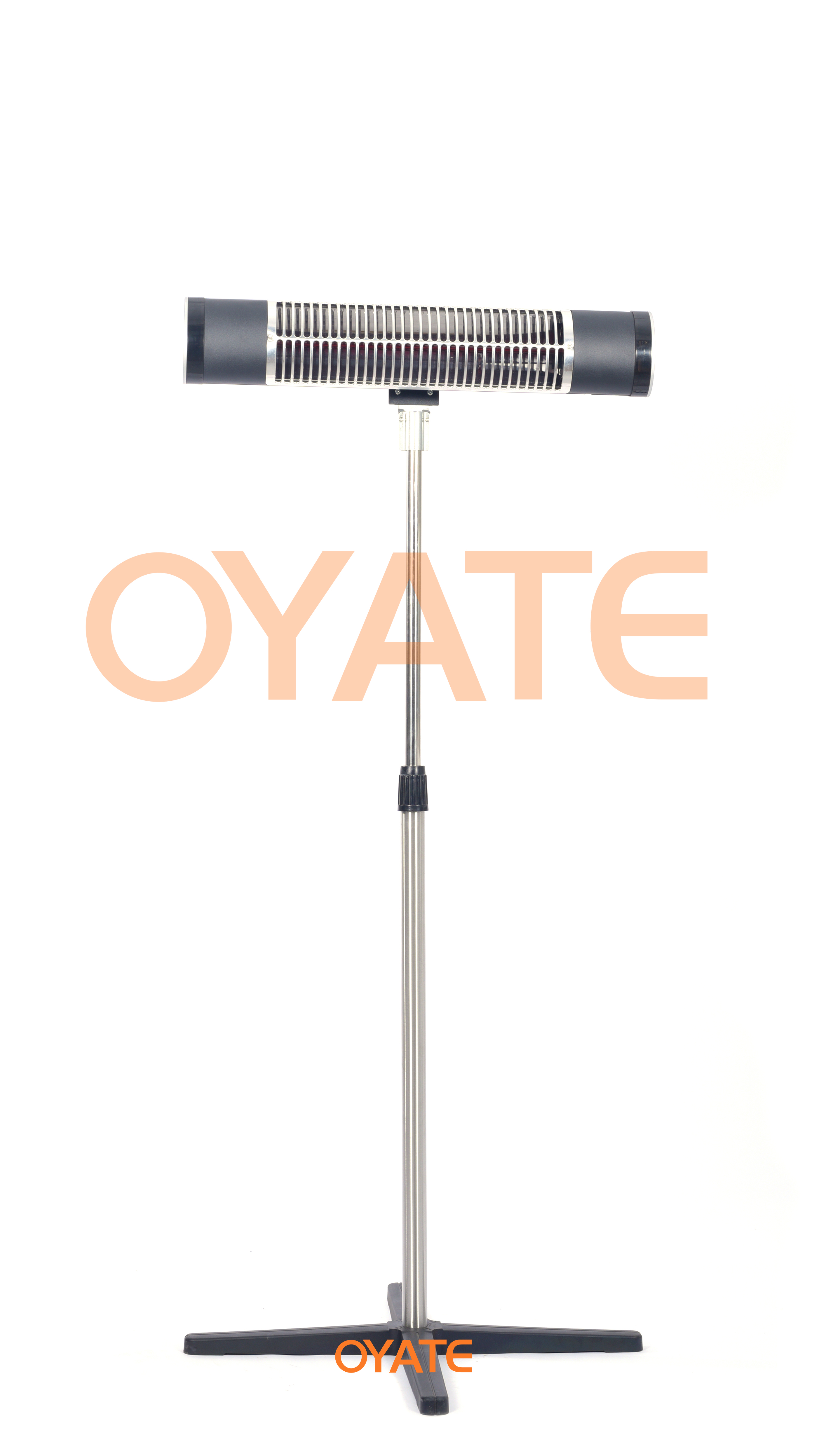
Walk into our test area and you hear the steady hum of the chambers—no marketing noise, just the sound of work getting done. Our engineers spend their days dialing in infrared output, chasing one practical result: warmth that feels right the second you step outside. When a chill ends patio time early, you don’t just lose comfort—you lose the whole evening. So we lean on a quartz heater, built on solid optics and thermal fundamentals.
What matters, under the hood
A quartz infrared heater uses a sealed quartz tube with a high-purity heating element inside. The tube sends energy as radiant heat—think of it like sunlight warming your skin directly, instead of heating the air first. We focus on the mid-to-short infrared spectrum for a balanced feel: immediate warmth without glare. Output is measured in kilowatts, and it’s calibrated for outdoor air movement, so coverage stays steady even when a breeze comes through. A built-in thermostat keeps temperature consistent, and tip-over protection shuts the unit down if it gets bumped over.
Why this works outdoors
Outdoor living doesn’t wait around for the air to warm up. Quartz delivers heat in seconds, turning a cold patio into a usable outdoor room. Because the heat is radiant, it goes straight to people and furniture, not up into the sky. You feel it in how quickly your shoulders loosen up, and in how the heat holds steady as evening cools off. That means longer gatherings, quieter nights, and the flexibility to use your space on your own schedule.
What you need to plan for
Quartz infrared heaters are electric and need a dedicated outlet on a circuit that can handle the load. For outdoor use, pick a model rated for damp conditions and keep the power cord out of foot traffic. Clearance to combustible materials matters, so follow the spacing guidelines. Placement is half the job: aim the heater to cover the seating area, and mount it high enough to spread warmth evenly without hot spots.