
Making Mirror Heaters That Actually Last in a Steamy bathroom
Let’s be honest: bathrooms are a nightmare for electronics. You’ve got thick steam, wild temperature swings, and water vapor getting into every single crack. It’s basically a torture chamber for hardware. That’s where our shortwave infrared lamps come in. They’re designed to clear that annoying condensation off a mirror in seconds, but keeping them reliable in that kind of dampness is a real challenge.
Why things usually break
Moisture doesn’t just sit on the outside of a lamp. It sneaks in. If water vapor gets past the seals at the ends of the lamp, it hits the tungsten filament and causes it to oxidize. That’s a one-way ticket to a premature burnout. Then there’s the contact pins. Humidity loves to eat away at them. When those pins corrode, you get electrical resistance. That creates these tiny, intense hotspots that can actually melt the socket. Not exactly the kind of thing you want happening behind your bathroom mirror.
How we push them to the limit
We don’t do “light testing.” We don’t just turn them on for a few hours and call it a day. Instead, we throw these lamps into environmental chambers that basically simulate years of heavy steam. We keep the humidity at 90% or higher and cycle the heat on and off, over and over. We’re hunting for leakage current and checking the insulation. If a seal lets even a tiny bit of moisture through? The whole batch is tossed.
A quick heads-up on quartz
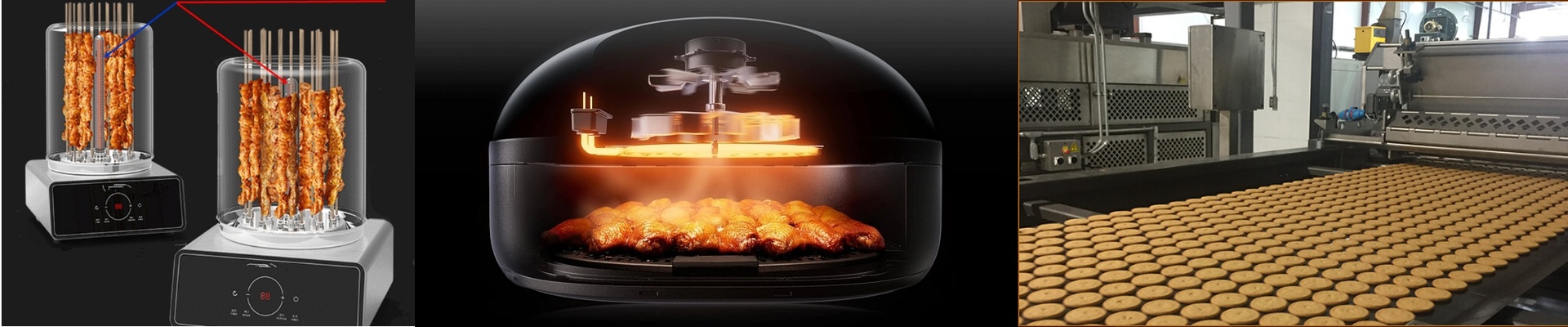
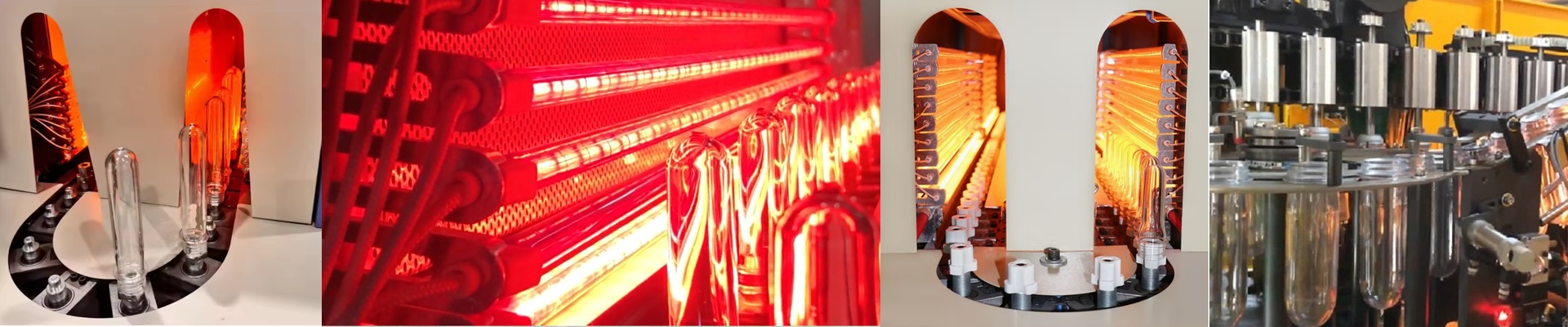
We use shortwave quartz tubes because they’re incredibly fast. They hit that heat density needed to clear a mirror almost instantly. But here’s the catch: quartz is picky. If you leave a fingerprint or a smudge of soap on the glass during installation, you’ve created a problem. Those contaminants create “hot spots” on the glass, and when the tube heats up, the thermal stress can cause it to crack. **Do yourself a favor: wipe the tubes down with isopropyl alcohol before you wire them up.**It takes ten seconds and saves you a massive headache later. We obsess over these aging tests because a failure in a bathroom isn’t just a nuisance—it’s a safety risk. We’ll give you the real-world data on how long these typically last (MTBF), so you can build a product that actually survives where it’s meant to live.