


Getting That Perfect Golden Crust (Without Burning Your Bread)
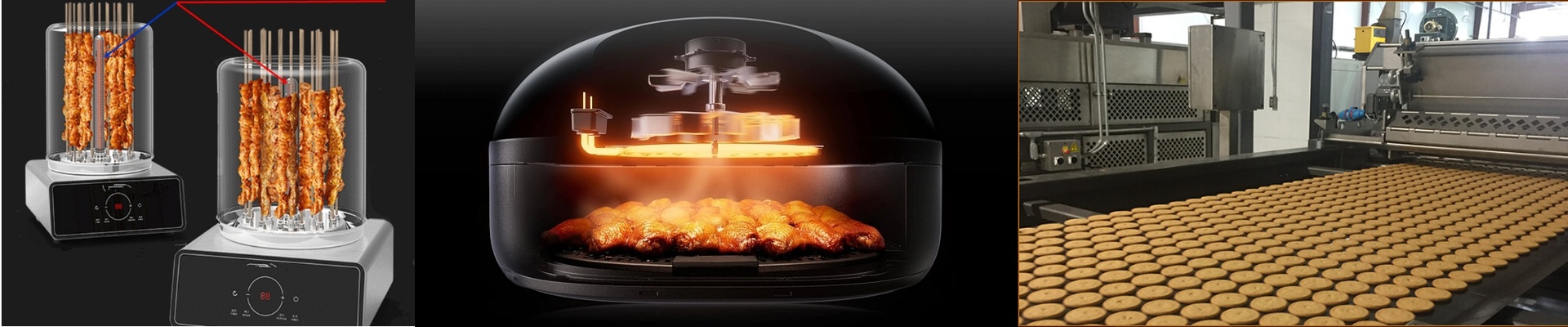
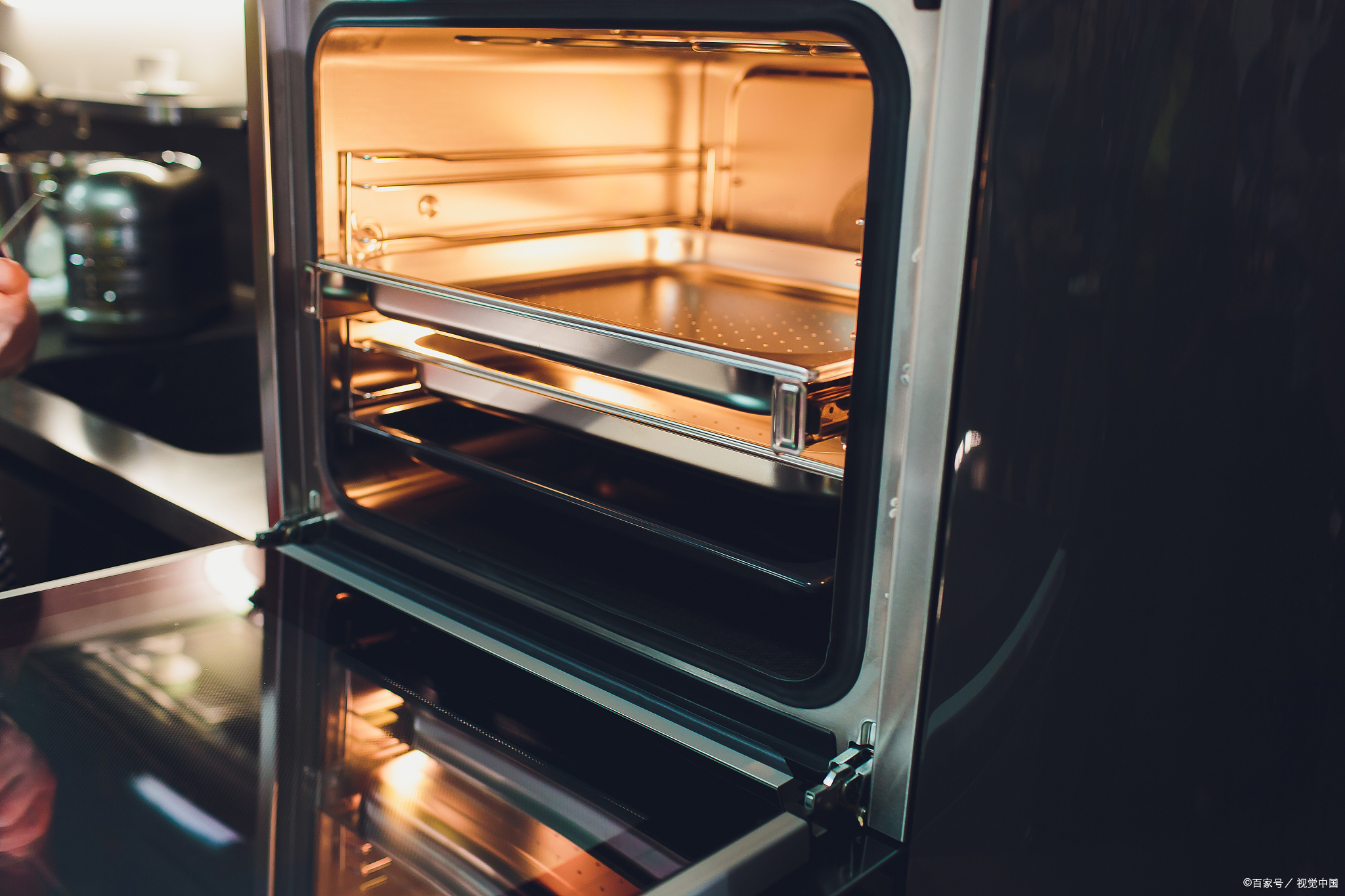
Anyone who’s spent time with a steam oven knows the struggle. You want that gorgeous, textbook golden-brown crust, but you don’t want to turn your Bread into a brick. It’s all about the dance between the steam and the heat. To get it right, we use infrared lamps. They hit the dough fast, triggering that Maillard reaction—the magic that makes bread smell and look amazing—without sucking all the moisture out of the center.
Finding the Sweet Spot for Heat
Here’s the thing: not all infrared is the same. If you use short-wave infrared, the heat dives deep into the loaf. That’s great if you’re trying to heat something through, but it’s a gamble for browning. For a professional finish, we stick withmedium-wave radiation. It stays on the surface. It’s a delicate balance. Too little power and your bread looks pale and unfinished. Too much? You’ve burnt the outside before the middle even has a chance to set. We tweak the wattage and the length of the tubes so the heat hits every single loaf on the tray exactly the same way. No “hot spots,” no surprises.
The Gear Under the Hood
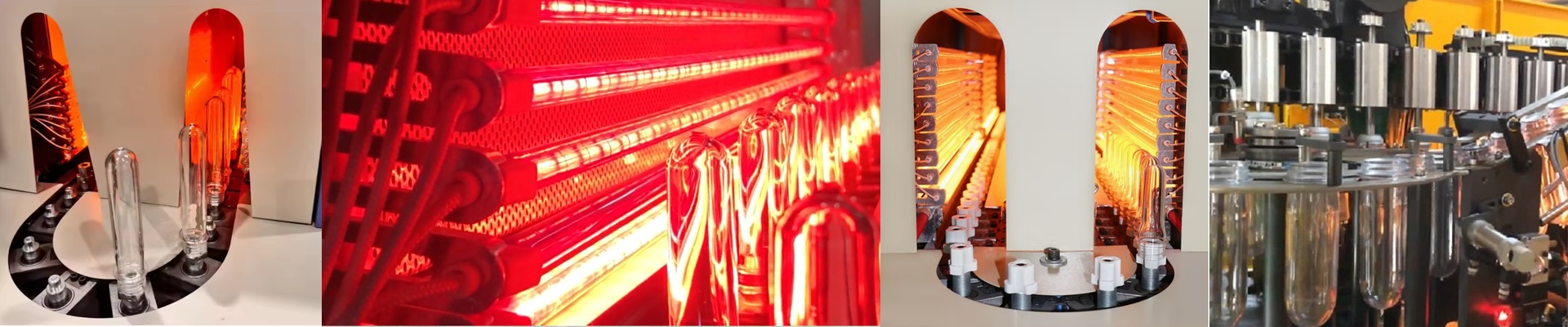
We build these heaters with high-purity quartz tubes. Why? Because steam ovens are brutal. They go from ice cold to scorching in seconds, and regular glass would just crack under that pressure. Quartz handles the stress. Plus, we don’t believe in “one size fits all.” We can build these to your specific voltage and length so they actually fit your oven. Most of the time, they’re just drop-in replacements. You plug them in, wire them to your current board, and you’re back in business.
A Couple of Things to Watch Out For
There is a catch, though. High-intensity heaters put out a massive amount of energy. If your oven’s fans aren’t up to the task, that heat builds up around the lamp housing. If the airflow is weak, your lamps will overheat and burn out way faster than they should. To keep things steady, we suggest using a PID controller. It lets you dial in the power and nudge the temperature up slowly, so you don’t accidentally overshoot your target and ruin a batch.