

High-Output Infrared Halogen Heaters: The Real Fix for an Office That Feels Good
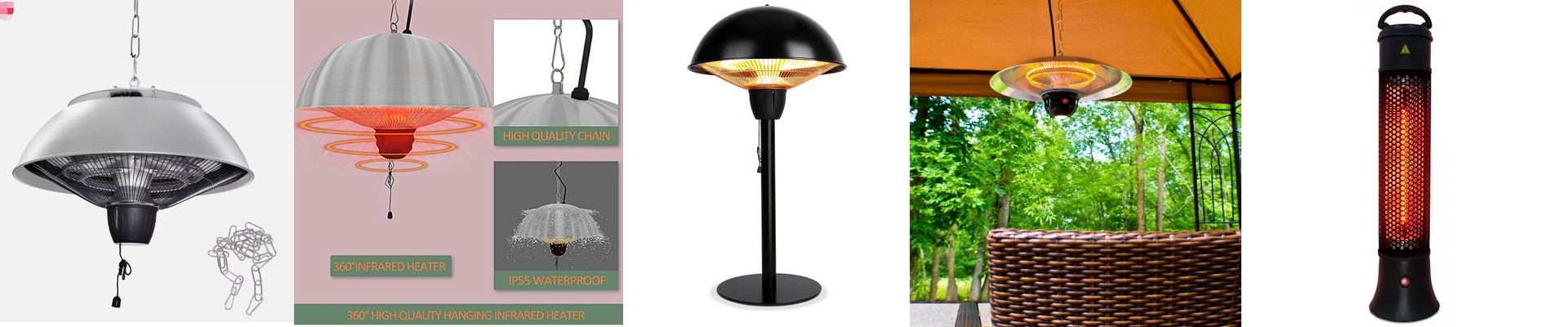
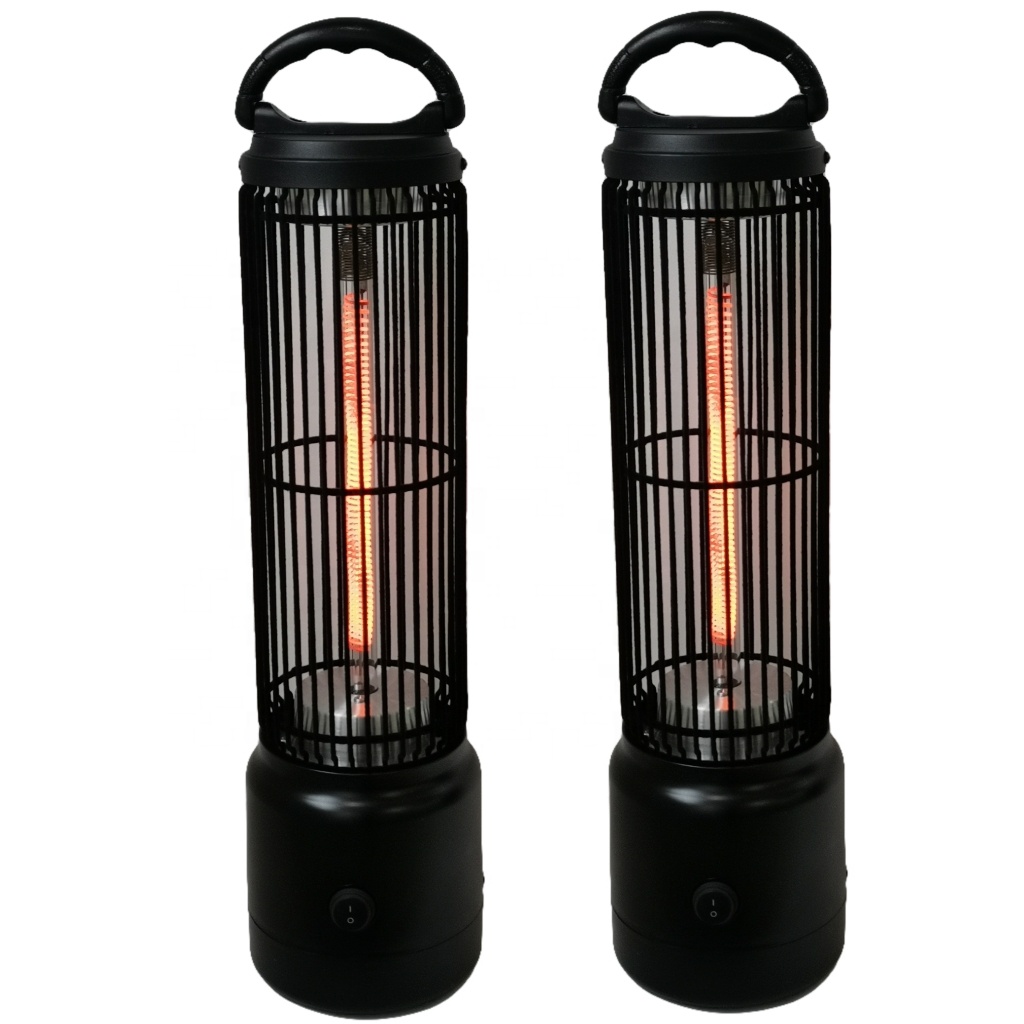
Let’s talk office warmth—the kind you actually feel, not the kind that just moves warm air around. We built these infrared halogen heaters for modern offices, because cold workspaces have a way of draining energy and making people feel run down. These units are designed to put warmth where it matters: on the people.
Power, Voltage, and Output—Plain and Simple
These heaters are built to work hard, day after day. We’re talking a 400V setup with 2500W of output—serious heat packed into a small footprint. That’s the kind of power that brings big, open offices back up to a comfortable temperature quickly. The 300mm tube focuses the heat so it projects where you need it, without needing a ton of extra clearance around the unit. But here’s the honest part: this level of output needs a stable electrical circuit, and you’ve got to plan for proper ventilation. Make sure your building can handle the continuous load, and give the heater a spot where heat can dissipate cleanly—no crowding sensitive equipment.
The Core: Quartz Tube and R7s Connector
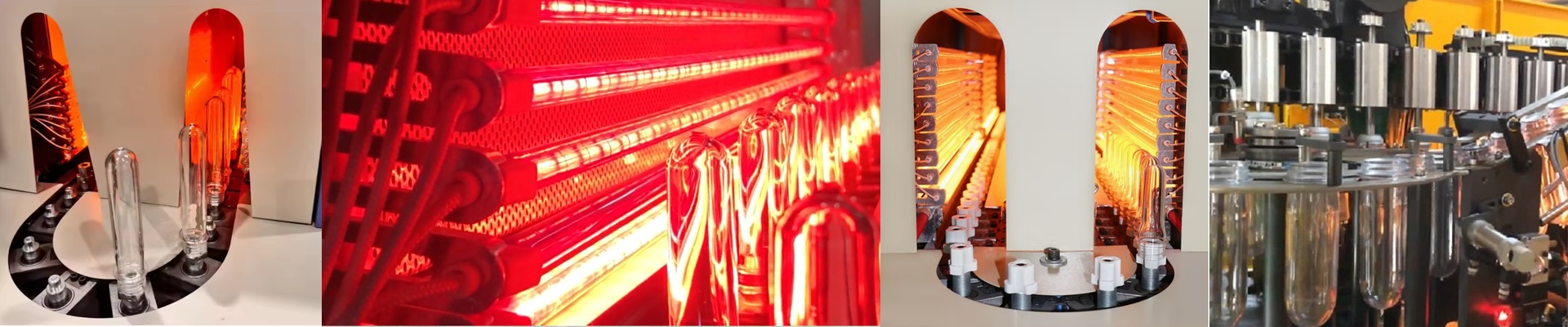
Inside, you’ve got a high-grade quartz tube holding the halogen element. Quartz handles the shock of rapid on/off cycles without cracking under pressure, and it stays tough over time. The halogen cycle keeps the filament steady, so the heat and light stay consistent through the heater’s life. Then there’s the R7s connector. It gives you a direct, secure connection that makes wiring simpler. It’s the kind of detail that saves headaches during installation—and later, when you’re doing routine maintenance. And if you’re swapping out standard industrial infrared fixtures, this heater drops right in.
How It Feels in an Office—And Why It Works
In an office, these heaters shine because they warm what they can see. They don’t waste time heating the air. You get immediate, direct warmth—especially helpful in drafty spots where the air just won’t hold heat. That steady comfort helps people keep their body temperature stable, which supports consistent focus and productivity. It also cuts down on the conditions that tend to make winter months feel like a never-ending cold season. For the people planning the system, it’s a relief. You get high heat on demand, easy integration into existing electrical layouts, and very little maintenance. No massive overhaul of the building—just a dependable heating solution that keeps people comfortable.