
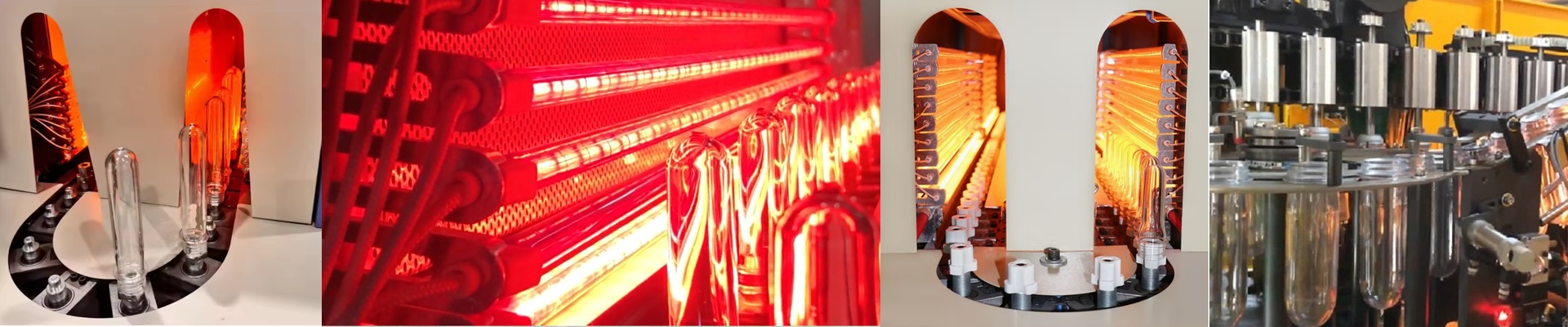
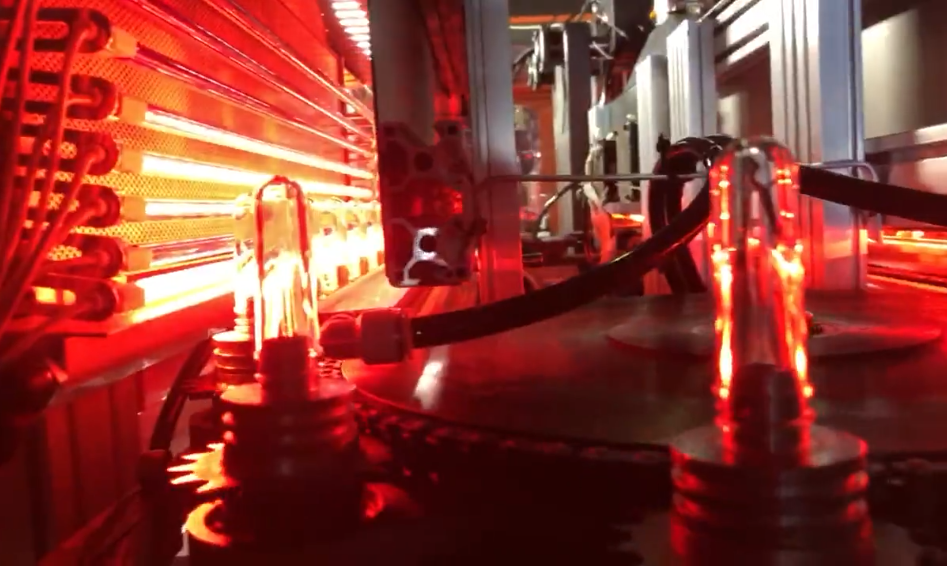
Getting the Heat Right in Your PET Blowing Lamps
If you’re trying to match the heat of an OEM lamp, don’t get hung up on the wattage. That’s just one piece of the puzzle. What actually matters is the spectral output and how that power is spread across the tube. When you’re running Sidel Matrix or Sacmi SBF 12/24 systems, even a tiny slip in voltage or where the filament sits can mess everything up. You end up with uneven preheating, and then you’re staring at a pile of defective bottles. Making the match We build our lamps to mirror the electrical footprint of the original. If your machine is looking for a specific voltage and wattage, that’s exactly what we deliver. The goal is to keep your temperature rise curve exactly where it’s always been. We don’t guess. We map out the resistance and radiant flux so the heat density—every single millimeter of it—matches the original gear. The nuts and bolts We use high-purity quartz glass because it can take a thermal beating without cracking. The filaments are tuned for shortwave infrared, which just sinks into PET preforms faster. And the connectors? We use the standard industrial stuff, like R7s or Sk15. You can just drop these in. No adapters, no weird rigging, no “making it work.” You just plug them in and get back to work. A few things to watch out for These are direct replacements, so you won’t have to spend your afternoon rewriting your oven recipes. But here’s the thing: high-density shortwave lamps put a lot of pressure on your reflectors. If your mirrors are pitted or oxidized, even the perfect lamp won’t fix your heat distribution. You need those reflectors clean to actually push the energy into the preform. We build these for the grind—24/7 production where things get hot and heavy. Just do me a favor and check your cooling fans. High-wattage tubes in a cramped oven will burn out way too fast if the airflow isn’t there.