
Stop Heating the Air: Why IR is Better Than Resistance Wires
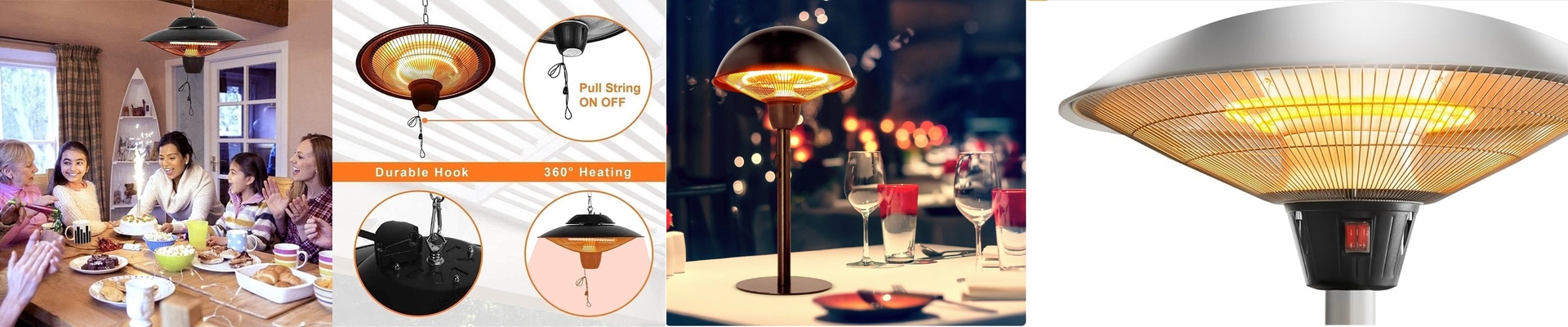
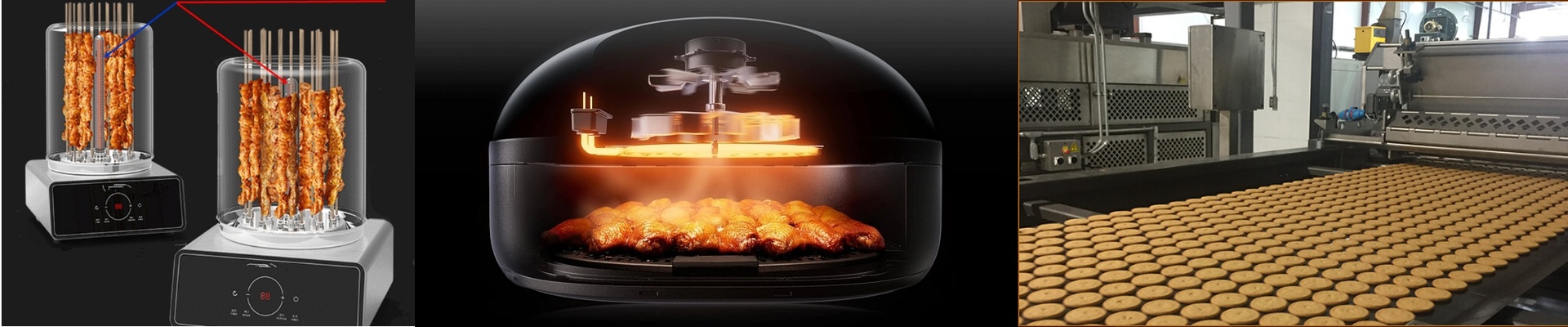
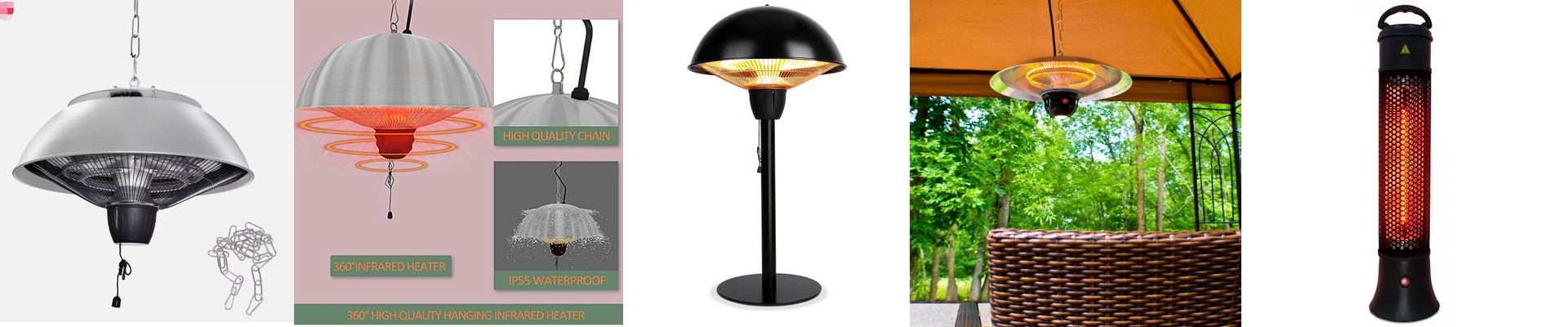
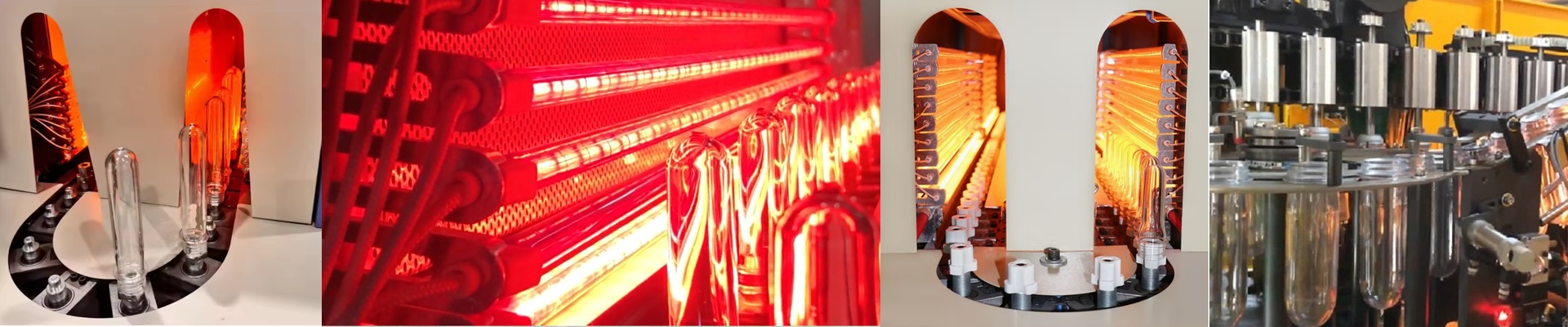
Most of us are used to traditional resistance heating. It’s the old-school way: you heat up the air, and then the air eventually heats up your part. It’s slow. Honestly, it’s a bit of a slog. IR heating lamps do things differently. Instead of waiting on the air, they shoot electromagnetic radiation straight at the target. You see this all the time with those rapid-heat buffet lamps or industrial curing lines where every second counts. Cutting out the middleman Here’s the thing about resistance wires: they waste a ton of energy. They spend half their time heating up everything around the part before the part itself even gets warm. IR lamps just skip that step. The energy hits the surface almost instantly. Your ramp-up time vanishes. And when your heat cycles get shorter, your electric meter stops spinning so fast. It’s a win for your sanity and your wallet. A quick word of caution Now, there is a catch. These lamps pack a serious punch. You can’t just rip out a slow-burn resistance coil and slap in a high-wattage IR lamp using the same old housing. If you do, you’re probably going to melt your wiring or warp the frame. It’s just too much concentrated heat. If you make the switch, make sure your cooling fans and insulation are actually built for the job. Don’t wing it. What it does for your bottom line At the end of the day, switching to IR shrinks the electrical footprint of your station. You aren’t fighting ambient heat loss anymore, so you spend less on power. For most shops, the math adds up quickly. You get faster cycle times and lower monthly bills. If you’re running a line 24/7, that difference becomes a huge deal on your P&L statement. Stop wasting energy on the air. Just heat the product.