
Making Your PC Preform Lamps Actually Fit (And Work)
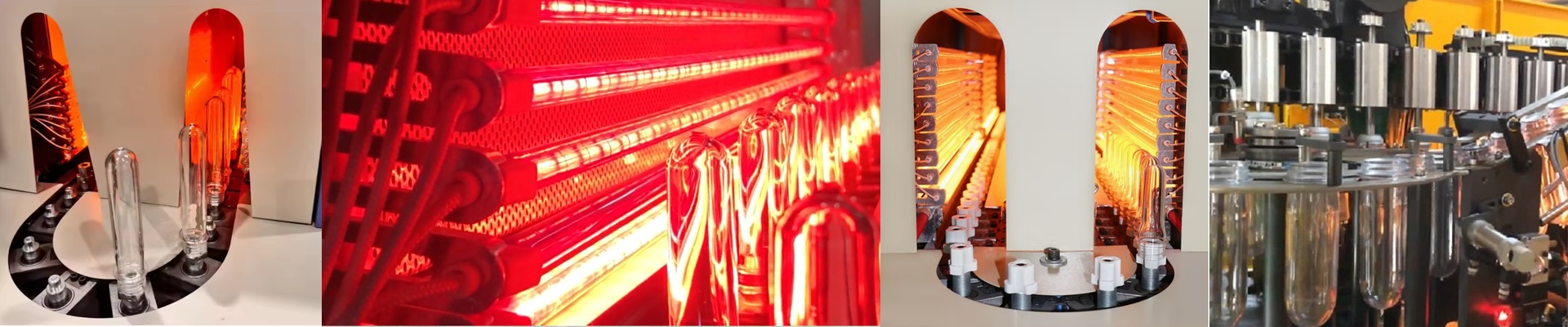
We built our infrared heating lamps to be simple drop-in replacements. If you’re using bottle-blowing gear, there’s a 95% chance these will just work. We didn’t do this for the sake of a “universal” label; we did it because we spent a lot of time studying the actual physical and electrical footprints of the big-name machines you’re already running.
Getting the heat right
Here’s the tricky part about PC (Polycarbonate) preforms: you need a very specific thermal profile. If you mess up, you end up overheating the outer wall while the core stays too stiff to stretch. To fix that, we use short-wave halogen tech. We tune the voltage and wattage—usually anywhere from 230V to 400V—to hit that sweet spot of heat density. Now, a higher wattage tube gets you up to temperature faster. But a word of caution: make sure your cooling fans can keep up. If the housing gets too hot, you’re looking at melted sockets, and nobody wants to deal with that on a Tuesday morning.
The nitty-gritty on hardware
At the end of the day, compatibility is all about the ends of the tube. We stick to R7s and SK15 connectors because they’re the gold standard. If a connector doesn’t seat perfectly, you get arcing. Then you get a burnt-out lamp. It’s that simple. We also use high-purity quartz glass with special coatings. This pushes the heat forward into the preform where it belongs, instead of baking the inside of your machine frame.
Real-world use
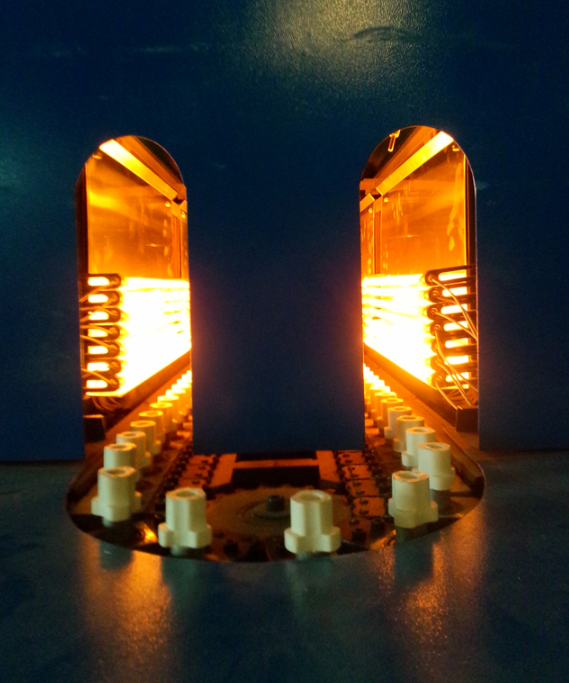
When you’re wiring these into a blow-molding oven, you want a softening zone that stays consistent. Our lamps put out a steady stream of heat across the entire length of the tube. This kills off those annoying “cold spots” that leave you with weird wall thickness in your bottles. Plus, since we keep standard lengths and wattages in stock, you don’t have to redesign your whole heating circuit just because a lamp blew. Just match your voltage, slide it in, tweak your timers, and you’re back in business.