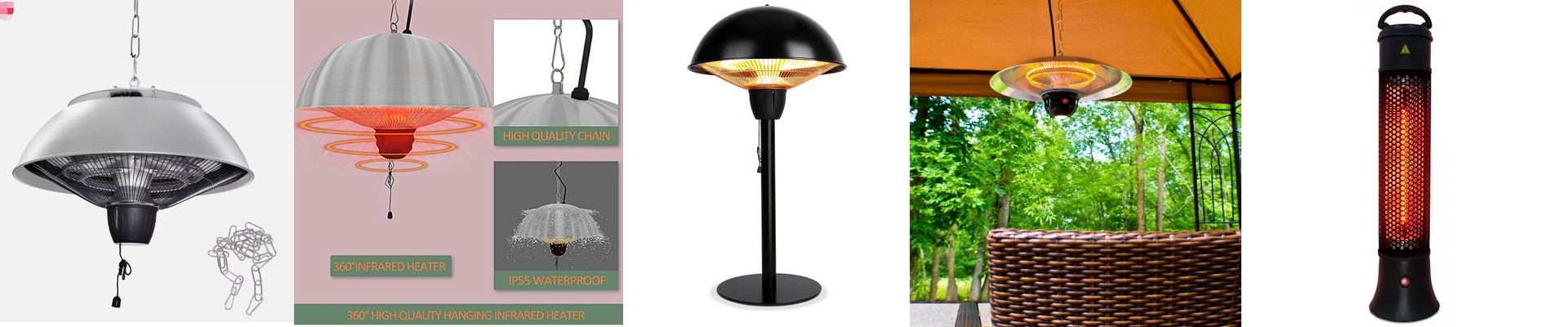

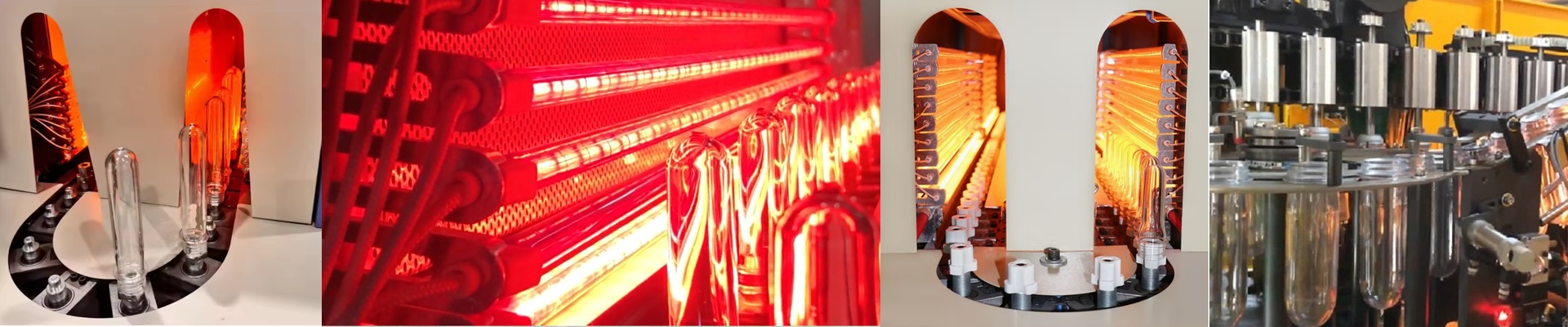
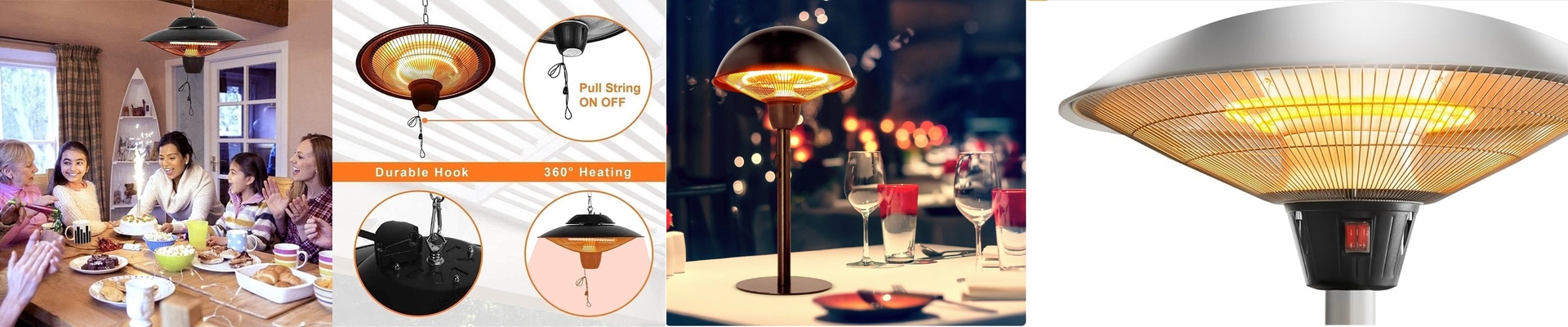

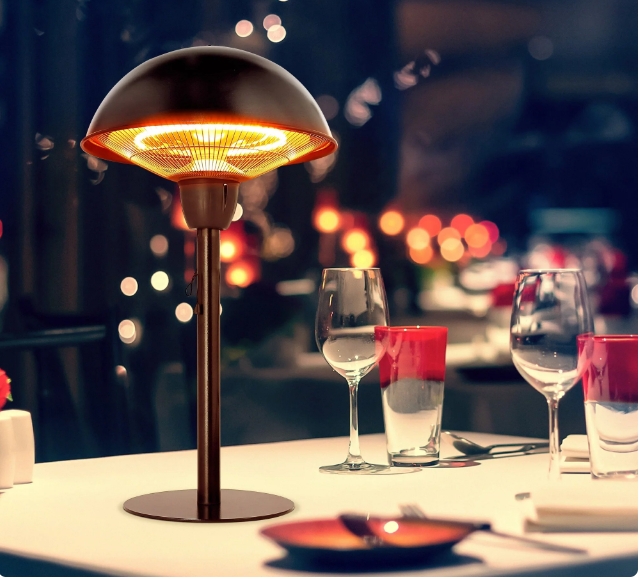
Cold floors and drafty rooms don’t just make winter drag on. For older adults, sudden temperature swings and forced hot air can tighten joints, mess with sleep, and force the body to work harder than it should. Infrared room heaters take a different approach—delivering radiant warmth that feels like standing in a patch of sunlight. What actually matters, technically Infrared room heaters warm people and surfaces directly, not the air. A carbon fiber or quartz element produces long-wave infrared radiation, heating objects in its path. You feel the comfort within seconds—no need to wait for a fan to push air around. Most models run quietly, with no blower noise, and many include a thermostat for steady, set-and-forget control. Safety is built in, with tip-over protection and an overheat cutoff. For indoor use, pick an electric heater rated for the room size and plug it into a dedicated outlet. If you’re putting a heater in a damp area, check the IP rating. Why this works for seniors For seniors, the payoff is comfort that supports well-being. Infrared warmth helps promote better blood circulation and relaxes muscles, which can ease stiffness and make cold days easier on the cardiovascular system. Hot-air blasts dry out nasal passages and stir up drafts; radiant heat keeps the air feeling more natural. In a living room, bedroom, or sunroom, it creates a gentle heat zone where older family members can read, stretch, or rest without the jolt of cycling thermostats or the racket of fans. What you need to know Infrared heaters are designed to warm people and nearby surfaces, so they perform best in occupied spaces with reasonable insulation. They won’t heat the whole house like central heating, and they won’t keep up if doors are constantly opening. For best results, position the unit so it gently bathes seating areas, keep it clear of furniture and drapes, and avoid using extension cords. Used thoughtfully, an infrared room heater turns cold hours into calm, comfortable ones.