
We’re Rethinking Patio Heaters—For Real
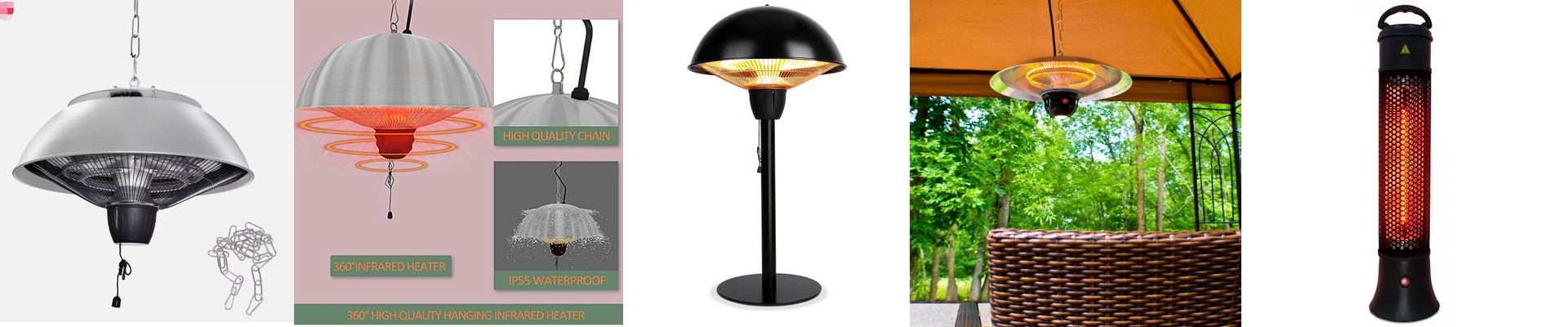
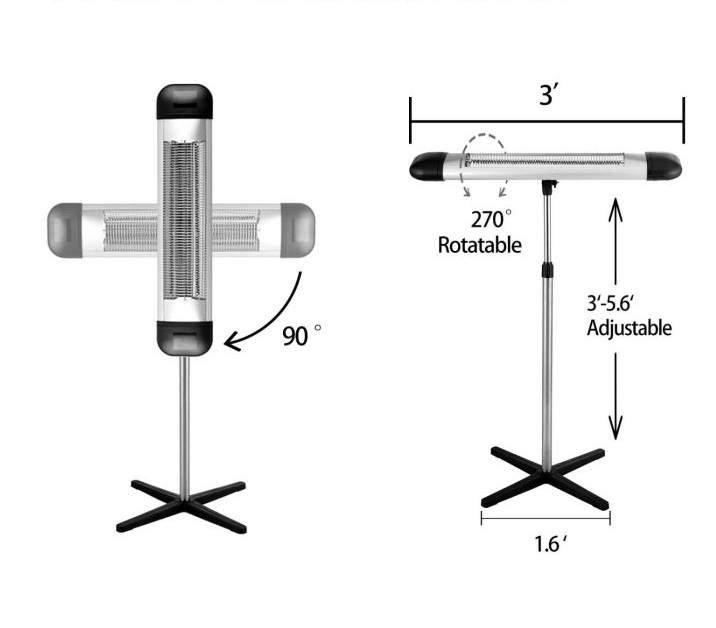
We’re building the next generation of standing patio heaters, and honestly? It’s about time. Forget static heat that just blasts out whether you need it or not. The big question is simple: how do we wrap smart control around serious infrared power so warmth shows up exactly when and where you want it? The answer is a system that actually pays attention. It senses what’s happening around it—temperature, wind, whether people are out there—and adjusts on the fly. You get steady comfort without having to babysit the heater.
Power, Voltage, and the Need for a Dedicated Circuit
Let’s get into the guts. A typical unit in this line runs at 2500W off a 220V supply. That wattage is there for a reason: it delivers a punch of heat density so the unit warms up fast. Because it’s standing, it throws warmth across a wide patio area without leaning on air convection. But that power comes with a price. You can’t just plug this into any outlet and expect it to behave. It needs a dedicated circuit—plan for that, and you’re golden.
The Core: Halogen-Filled Quartz and a Smart Connection
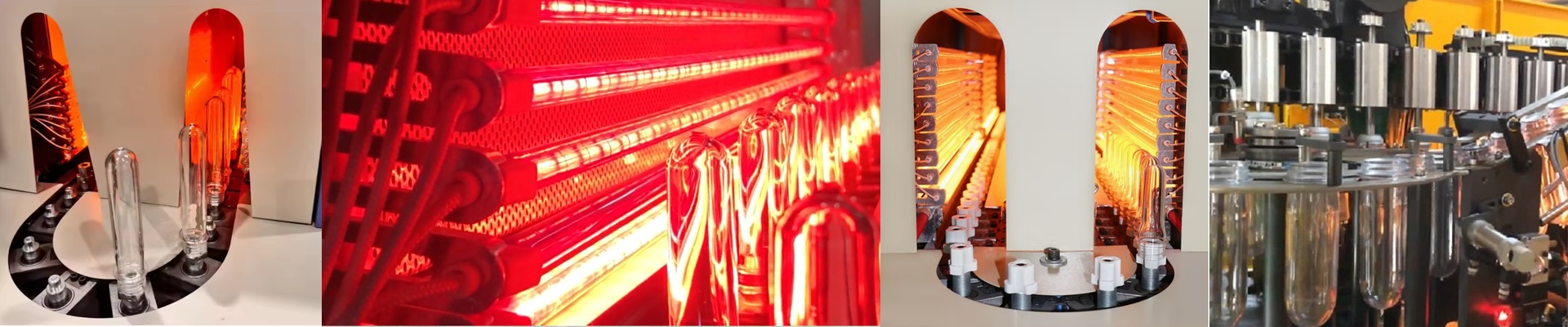
Inside, you’ve got a halogen-filled quartz tube that produces shortwave infrared. It warms people and furniture directly, not the air around them. That matters, especially on breezy nights when heated air would just vanish. Quartz also handles thermal shock way better than glass, so rapid on/off cycling doesn’t wreck the element. And the R7s connector? It’s the standard for this tube type—secure, two-ended contact that’s straightforward to wire and replace out in the field.
What It Feels Like: Smart, Efficient Outdoor Comfort
Whether you’re running an outdoor hospitality spot or a backyard patio, the goal is targeted warmth with minimal hassle. This smart infrared heater dials its output up or down based on temperature, wind, and even occupancy. So you’re not wasting energy when the evening is mild, but you still get the heat when conditions turn. The trade-off is tuning. The adaptive logic needs to be set for the space—otherwise, it can start cycling too often.
The Reality: Power Demands Planning
High heat density means fast response, but it also means planning the electrical run and thinking about heat around the enclosure. The adaptive controller helps by preventing thermal stress, but it needs stable power to avoid resets. This isn’t plug-and-play. It’s engineered equipment, built for people who want predictable performance, measurable efficiency, and a footprint that fits real patio layouts.
What’s Coming: Less Downtime, Smarter Maintenance
We’re pushing toward tighter integration between sensing and the heating core. The future is systems that self-calibrate, track operating hours, and flag end-of-life before failure—so you don’t get surprised. That means fewer service calls and more uptime on the patio. The focus stays on rugged, practical performance that can handle the outdoors and still deliver controlled heat when it matters.
Treat It Like Industrial Gear
Think of this smart infrared heater as an industrial heating module. Match the voltage, size the circuit, and plan the mounting. Do that, and you get a system that adapts to the environment and delivers consistent infrared warmth. No hype—just solid specs, thoughtful controls, and reliability you can count on when you’re out there enjoying the evening.