




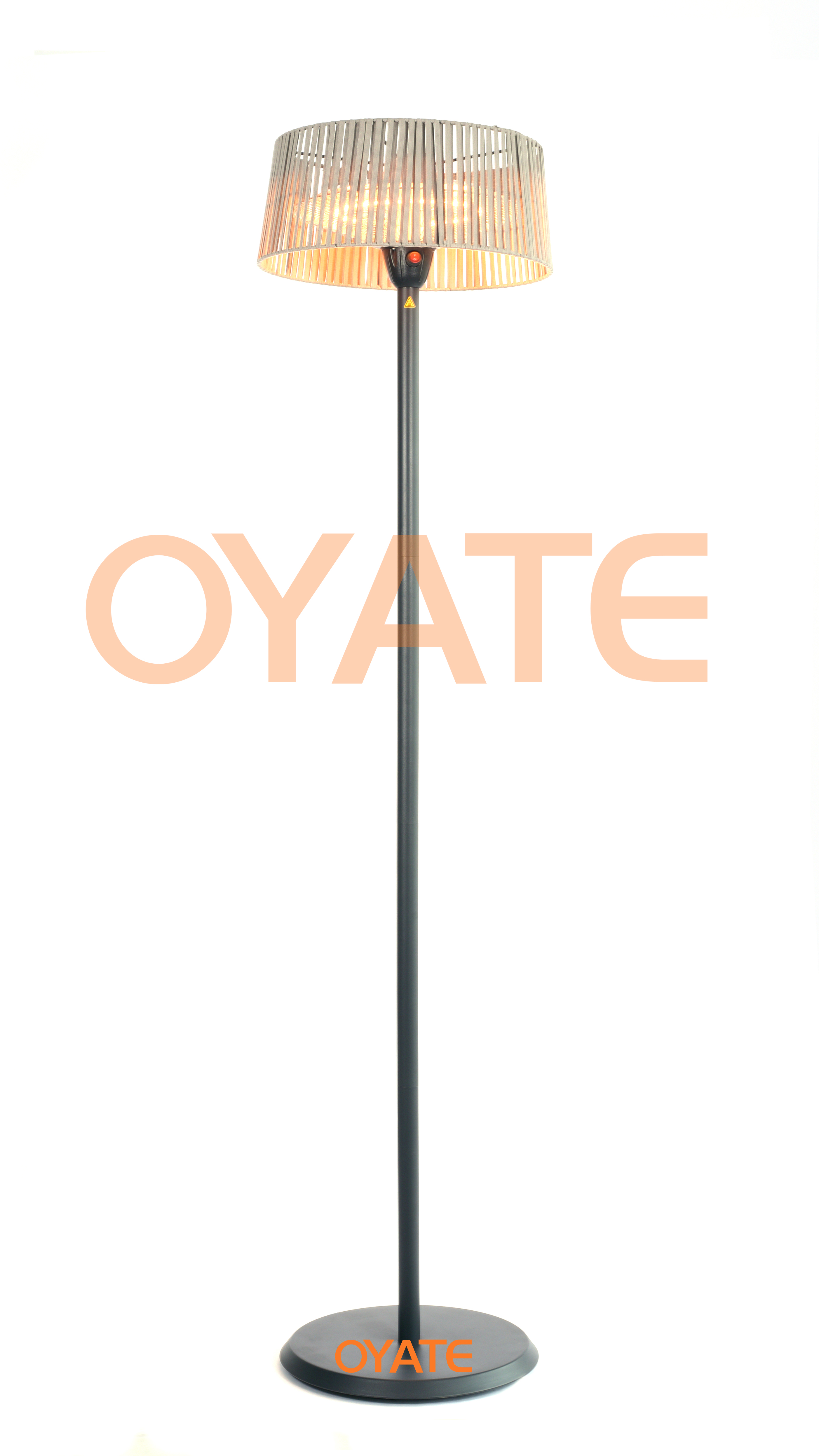
The real headache? One heater, a world of outlets.
We built our portable car heaters as infrared units for a simple reason: they throw heat instantly, right where you need it. No waiting. No warming up a whole garage. But here’s the part that keeps us up at night—it’s not just the heater. It’s getting that same heater to work perfectly, no matter where you plug in. Whether you’re on 120V, 230V, or 240V. And whether you’re reaching for a Type A, Type C, or Type G plug. It has to just work. Every single time.
Getting the power right, for your corner of the world
We don’t design a heater and then try to make it fit your power grid. We build it around your voltage from the ground up. So if you’re in North America, you get a unit engineered for 120V circuits. Over in Europe or Asia? We spec it for 230V or 240V, ready for the industrial and garage outlets you’re used to. That way, the heating element hits its full power without underperforming or tripping breakers. You get consistent heat, whether you’re just warming up an engine or preheating a cabin for the long haul.
What’s inside? The stuff that takes a beating.
Infrared heating is tough, so the components have to be tougher. We use quartz tubes with halogen elements inside because they handle that on/off cycling all day long, without losing their punch. The coating is designed to push out as much energy as possible as radiant heat, so you’re not wasting it on hot air. And when it comes to the electrical bits, we stick with standard connectors like R7s. That means when a lamp needs replacing, you can swap it out quickly in the field. The end caps fit common fixtures, too, so you can wire it up without wrestling with mounting hardware.
Real-world use. No fuss, just heat.
Out on the shop floor, this setup is a drop-in solution that fits into tight spots and keeps going, even when things get rough. Because the heat density is high, the unit warms up fast. But that also means it gets hot—so you’ll want to plan for clearance and airflow. We can tailor the voltage, the plug type, and even the lead length to exactly what you need. That way, the moment the heater lands on your workbench, it’s ready to run. That kind of flexibility? It’s the difference between a job that works and one that falls apart when it matters most.