
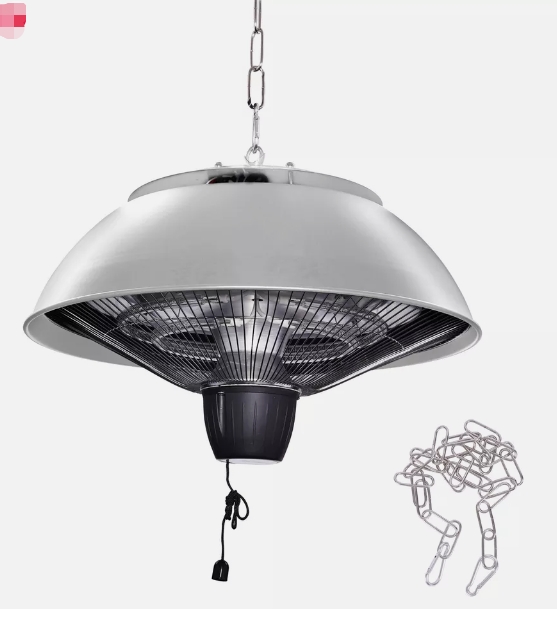
Why High-Efficiency Infrared Heaters Make Sense for Commercial Attics
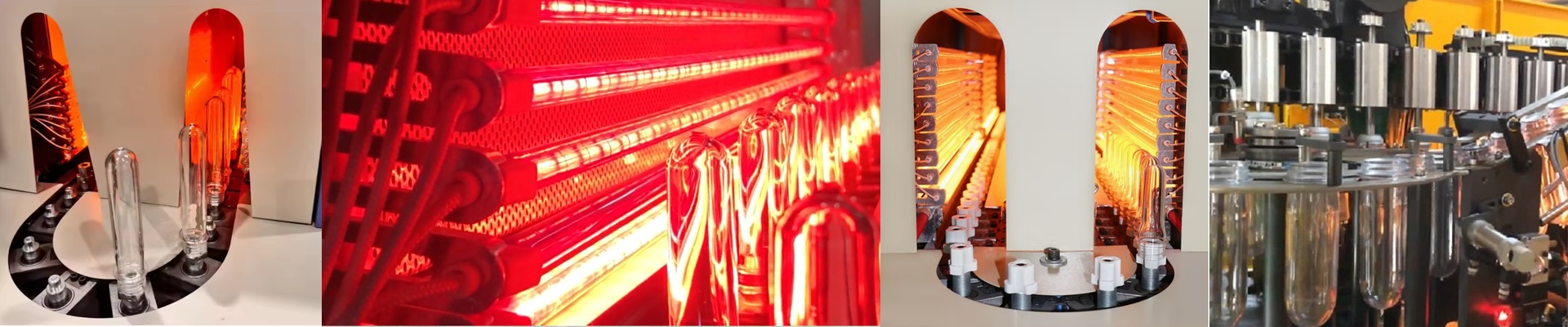
Let’s talk about a problem most of us have felt: trying to heat a huge, drafty attic. You’re basically throwing money at the air, and it just disappears. So we built a heater for that specific headache. It’s all about warming a big, uninsulated space without wasting energy or messing with ductwork. Here’s the heart of it: a high-efficiency infrared heater. Think of a halogen-based quartz tube that runs on high voltage. It doesn’t chase the air around. It sends out direct radiant heat—warming people, surfaces, and the spots you actually want warm.
Power, Voltage, and Fitting into Tight Spaces
When you’re dealing with an attic, you need serious heat in a small footprint. That’s why these infrared heaters run on high voltage, usually 400V. It lets us pack a lot of wattage into a short tube. A 400V, 2500W setup gives you a lot of heat without needing a long heater. That matters when space is tight and airflow is limited. It also keeps the current draw reasonable on the feeder side while still delivering concentrated radiant energy. The shorter length makes mounting in cramped attic trusses way easier. You can put the heat exactly where you need it, so less energy gets wasted. Just one thing to keep in mind: that high heat density means the surface gets hot. So you want to be smart about clearance and ventilation.
What It’s Made Of—and Why It Matters
The heating element uses a halogen cycle inside a quartz envelope. The halogen gas lets the filament run hotter while resisting blackening over time. The result? Consistent infrared output for the long haul. And the quartz tube? It handles thermal shock and stays solid even when attic conditions shift. Many versions use a reflective coating or an integrated reflector to aim the radiant energy forward. That keeps heat from getting lost in the structure. For installation, the unit uses standardized linear connectors, like R7s. That means you can make a quick, secure connection without custom leads. It’s a straightforward drop-in replacement for existing fixtures.
What This Means for You—Cost, Comfort, and the Bigger Picture
In commercial real estate, attic heating hits two things at once: operating costs and sustainability reporting. Radiant infrared heat cuts down on the need to blast huge volumes of air. In open, leaky spaces, that can mean lower energy use compared to conventional air heating. Less energy used helps you hit sustainability targets and improves the building’s energy profile. For engineers and facility teams, it’s a practical win: predictable heat delivery, simple electrical install, and less maintenance hassle. For asset owners, it means a more resilient building system and a stronger sustainability story—without sacrificing comfort in those hard-to-condition areas.