
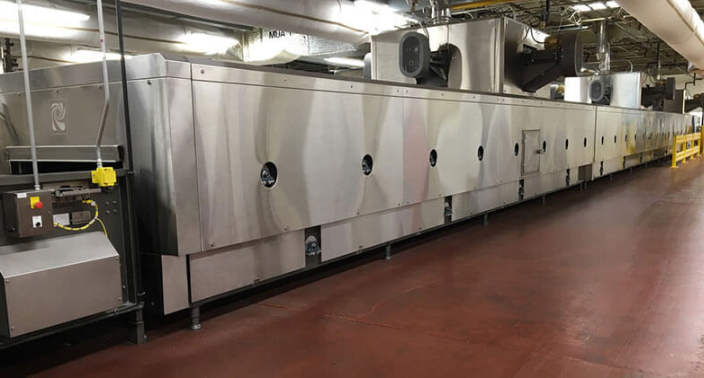
Getting Your Crust Right with 110V Infrared Lamps
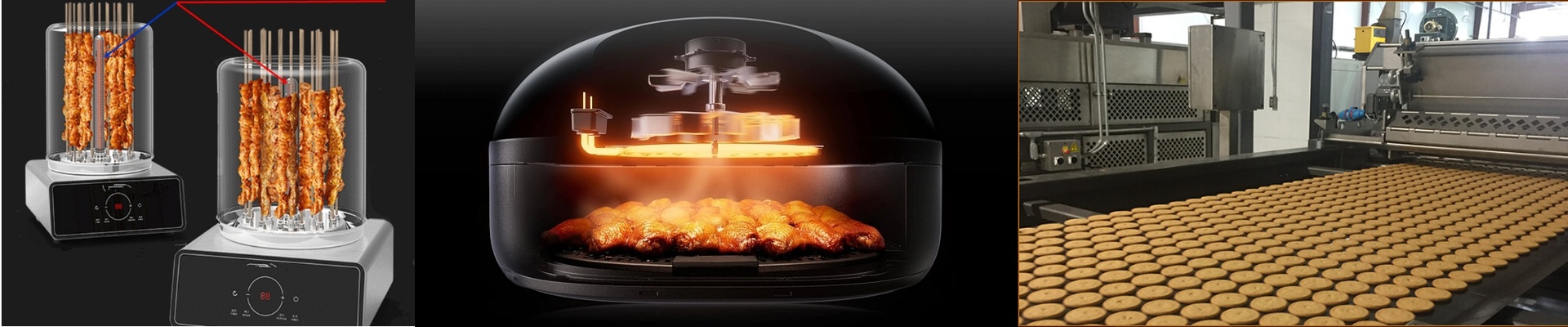
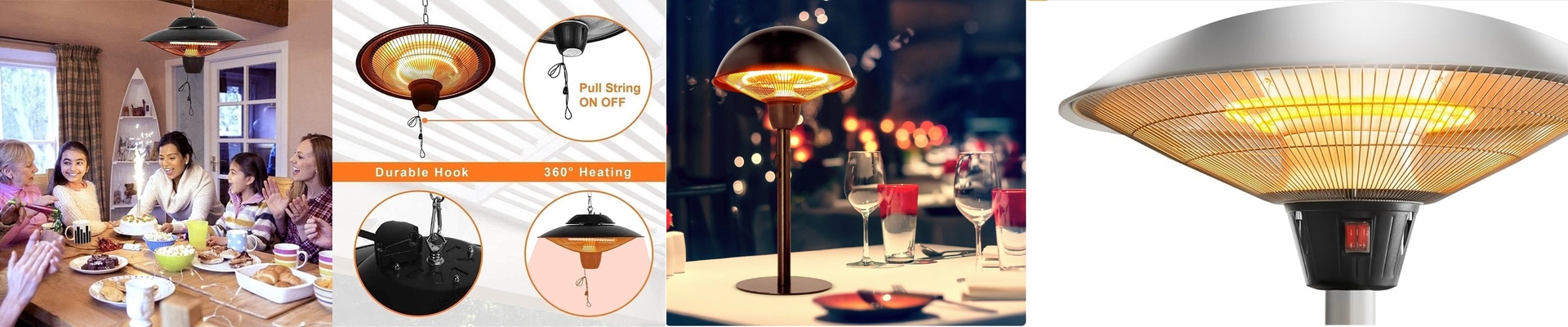
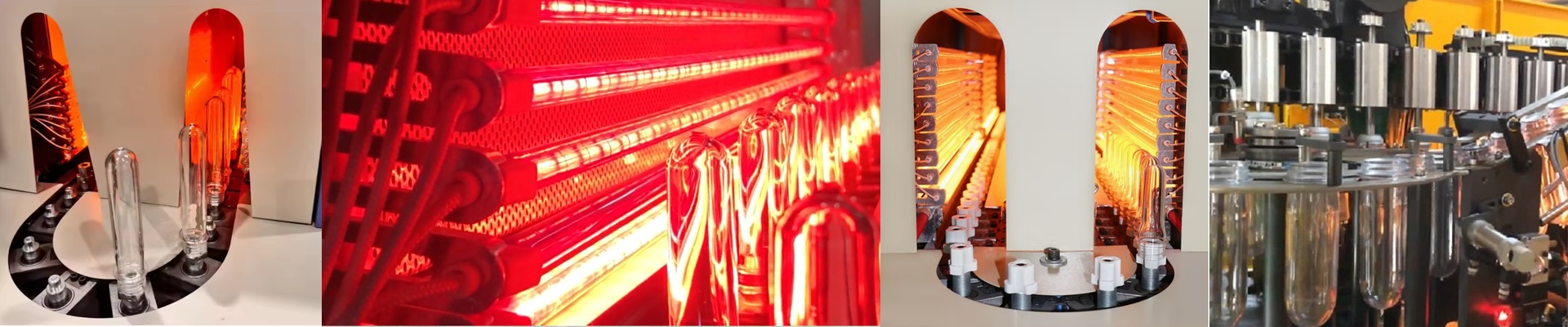
If you’re running an automated bakery, you know that waiting for convection heat to kick in is a nightmare. It’s too slow. That’s why we lean on 110V infrared (IR) bulbs. They don’t mess around—they blast heat directly into the surface of the dough. Since they use short-wave radiation, they hit the target temperature in a matter of seconds. The Nitty-Gritty of the Power We stick with 110V because it just fits right into the standard North American kitchen grid. No fancy converters needed. But here’s the thing: these lamps pull a lot of current. If your power supply is jumpy, those filaments are going to burn out way faster than they should. To stop that, I always suggest using Solid State Relays (SSRs) instead of those old-school mechanical contactors. SSRs can handle the rapid-fire switching needed for PID control without wearing themselves to death. Dialing in the Heat Nobody wants a scorched loaf. To get that perfect, consistent crust, you need a tight loop. We usually pair the lamps with K-type thermocouples or non-contact IR sensors. The system then tweaks the power—usually through pulse-width modulation (PWM)—to keep things within about ±2°C. It’s a delicate balance. You want the core baked through, but you don’t want the outside looking like a charcoal briquette. The Trade-offs (Because nothing is perfect) Those short-wave quartz tubes? They pack a massive punch, but they’re fragile. One clumsy move during a cleaning shift and crack—there goes your tube. You also have to watch out for the “lag.” Even after the lamp clicks off, the surface stays hot for a bit. And if your oven fans are screaming too loud, they’ll strip the heat away faster than the lamp can put it back. You’ve got to find that sweet spot where your fan speed matches your IR output. A quick warning on replacements: Don’t just grab any bulb. Make sure the wattage and focal length match the original. If you swap a 500W bulb for a 750W one without tweaking your PID settings, you’re going to overshoot your temperature every single time.