
Getting that Perfect Crust with Medium-Wave Infrared
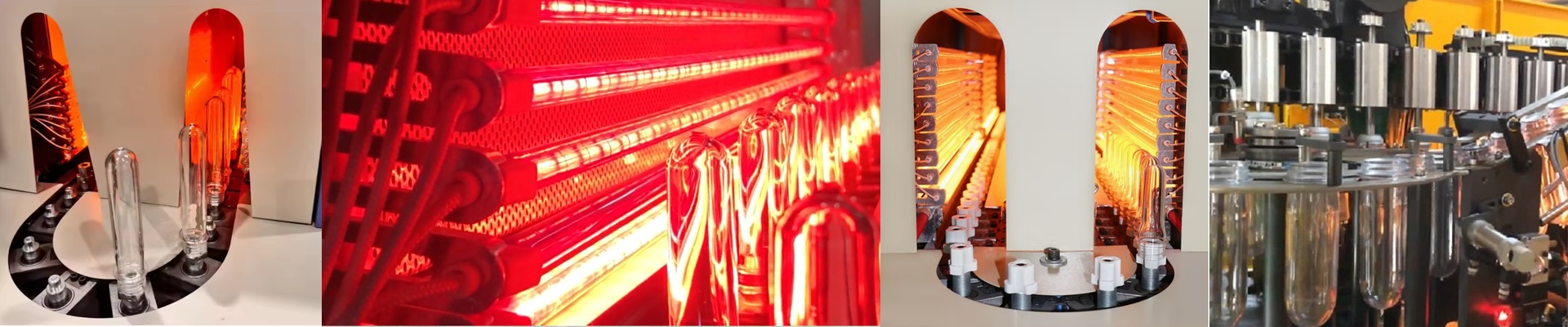
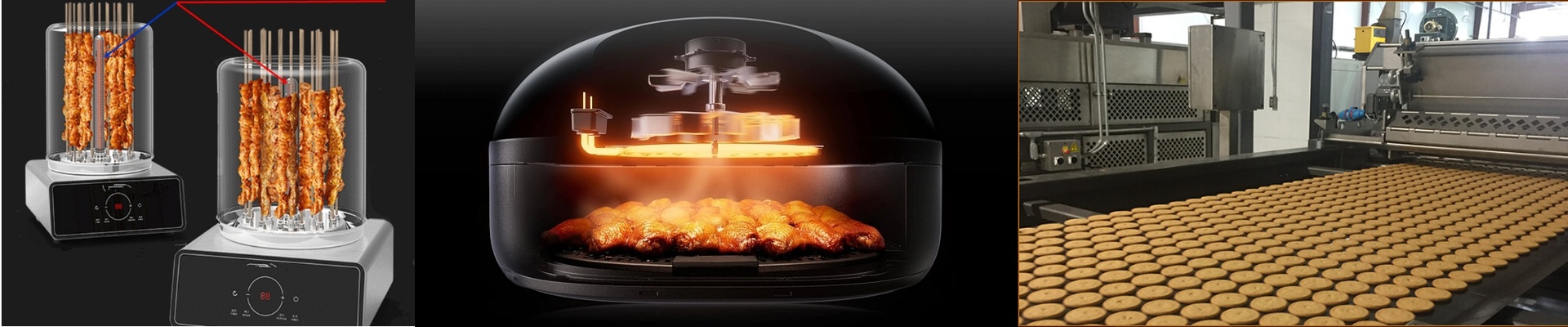
In a high-end oven, the line between a gorgeous golden-brown crust and a burnt mess is incredibly thin. Just a couple of degrees can ruin everything. That’s why we use medium-wave infrared (MWIR) bulbs. Think of them as the middle ground. Convection air is often too slow, and short-wave heat is way too aggressive. These bulbs hit that sweet spot, giving you the energy needed to trigger that beautiful browning—the Maillard reaction—without turning the inside of your bread into a crouton. How it actually works Here’s the thing: short-wave lamps tend to dive deep into the dough. But medium-wave energy stays closer to the surface. We’ve tuned these bulbs to a specific wavelength that organic materials just love to absorb. It’s a bit of a cheat code. It lets you dial in the surface color of your bake without having to crank up the overall oven temperature. The nuts and bolts We build these quartz tubes to take a beating. Most of them use a halogen-filled quartz envelope, which keeps the filament from burning out too quickly and keeps the heat steady. On the back end, you’ll usually find them hooked up to PID controllers and fast-acting thermocouples. We also made sure they’re easy to swap out. Whether you’re using R7s or specialized slide-in connectors, the fit is tight. And it needs to be. If the connection is loose at these wattages, you’ll get arcing, and your sockets will fry. It’s a headache you don’t want. The trade-offs Now, these bulbs aren’t magic. They pack a punch, but you have to be careful. Because the heat is so concentrated on the surface, you can actually “skin” your product if the bulbs are sitting too close to the racks. You’ve got to find the right balance between the distance of the bulb and your fan speed to make sure everything cooks evenly. One last tip: watch your cooling. If your system can’t handle the radiant heat bouncing off the oven walls, your control boards are going to give up the ghost way sooner than they should.