

Why we use halogen heating to stop wasting energy
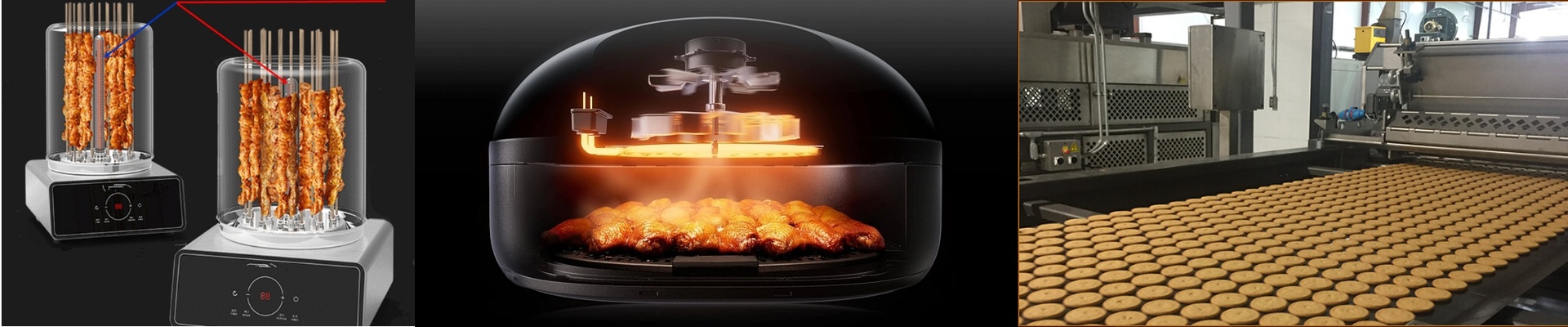
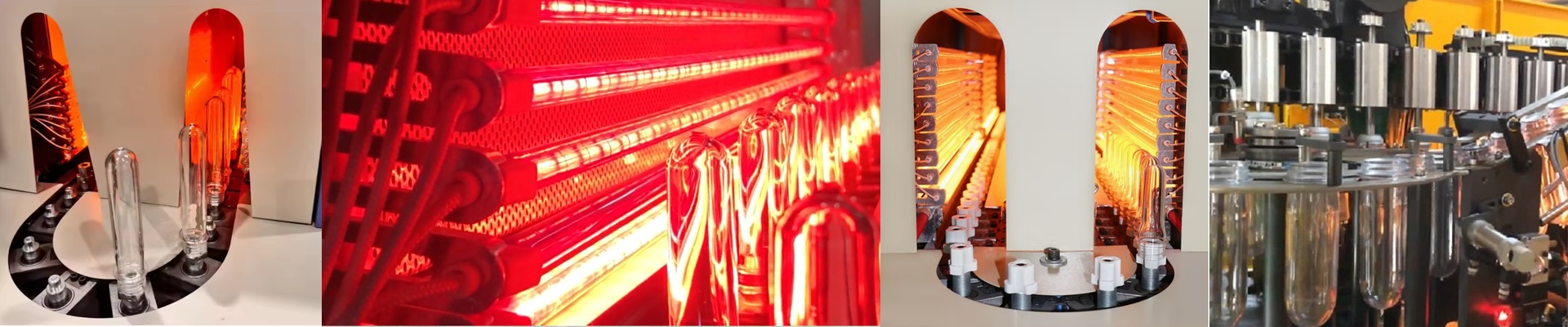
If you’ve ever spent time building pizza ovens, you know the headache of thermal inertia. Most heating elements are slow. They take forever to get hot, and once they’re up to temp, they just keep humming along long after you’ve turned them off. It’s clumsy. We do things differently. We use shortwave halogen bulbs. Instead of wasting time heating up all the air inside the oven, these lamps send infrared radiation straight onto the food. It’s direct. It’s fast.
The magic of “second-response” timing
Here is the cool part: halogen bulbs hit full power in a heartbeat. The moment your controller cuts the power, the heat stops. Almost instantly. We call this “second-response” timing. Think about it. You aren’t burning electricity just to keep a giant metal box hot. You only push energy into the system the exact second the sensor sees a dip. This means you don’t get that annoying “overshoot” where the oven gets too hot and ends up scorching your crust or drying out your toppings. You get exactly the heat you want, and nothing more.
The gritty details: Steel and Wires
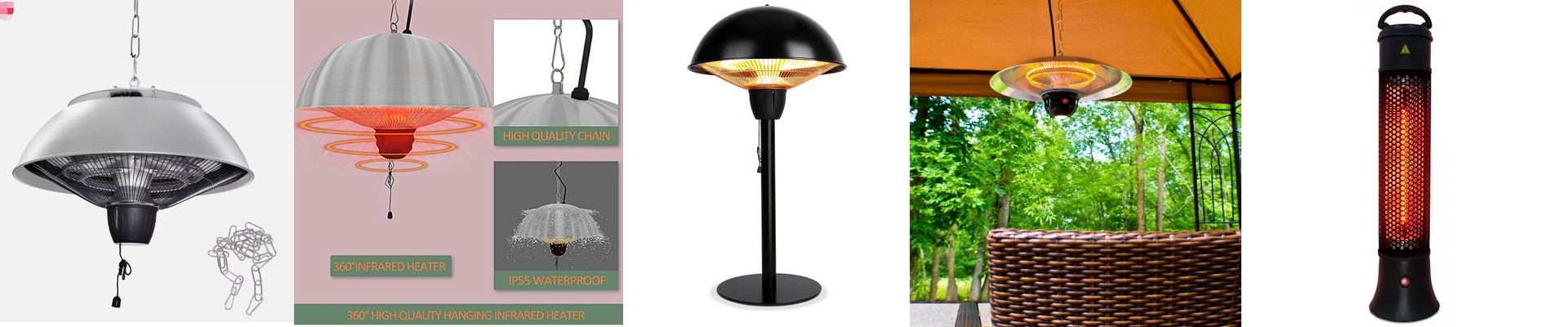
We wrap everything in stainless steel. Why? Because halogen tubes get scorching hot. The steel doesn’t just handle the heat; it actually bounces those infrared waves back toward the pizza. Plus, it can take the beating of a messy commercial kitchen without falling apart. On the technical side, we stick with R7s or SK15 connectors. They’re standard for a reason—when a bulb eventually burns out, you can just pop a new one in and get back to work. One quick tip: if you’re squeezing a high-wattage bulb into a small space, watch your wiring gauge. If the wires are too thin, they’ll overheat before the bulb even gets going. Not a great way to start a shift.
The trade-off
Now, there is a catch. Halogen lamps pack a massive punch. You get a beautiful, fast sear, but it puts a real strain on your power supply. If you’re running a whole bank of these things, your electrical panel needs some breathing room. You can’t just plug these into a random wall outlet and hope for the best. Check your total amp draw first, or you’ll be spending your afternoon chatting with an electrician.