
Getting the Heat Right for PET Preforms
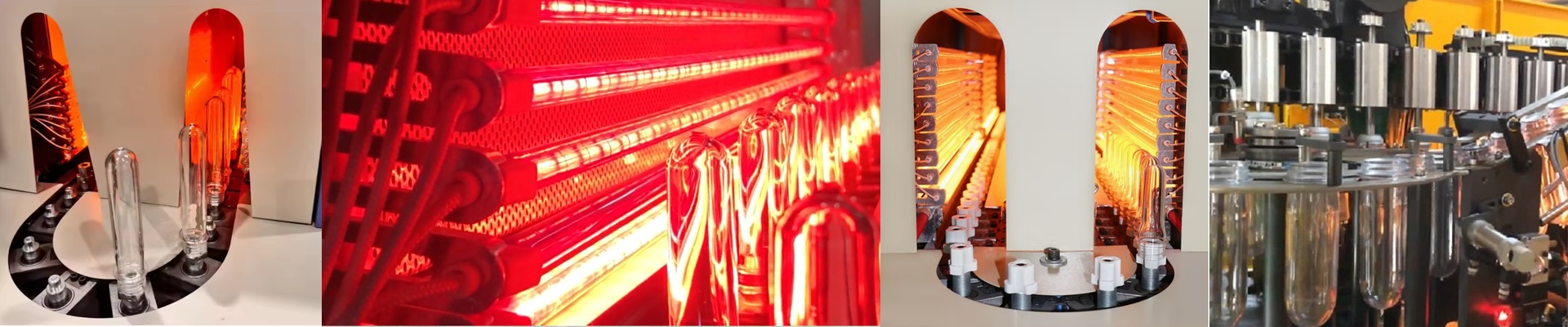
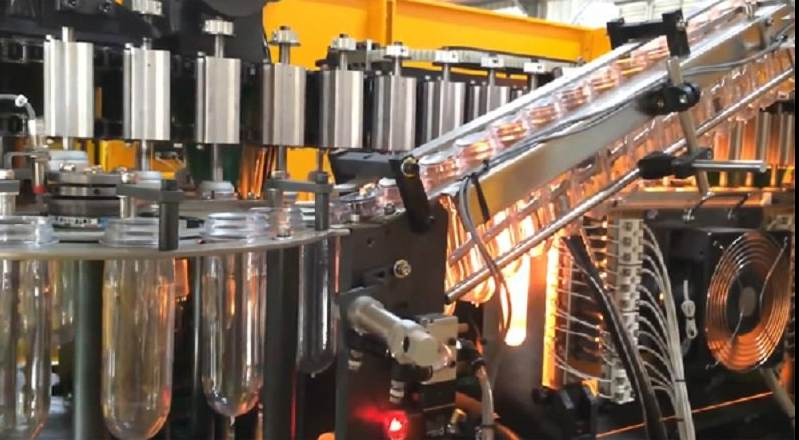
If you’re running high-speed PET blowing, you already know that just cranking up the wattage isn’t the answer. If you do that, you usually end up with a preform that’s scorched on the outside but still cold in the middle. Whether you’re using a Sidel SBO Series 2 or a Husky HyPET, the real trick is the spectral output. We focus on how the light actually hits the plastic, making sure the heat sinks deep into the core without burning the surface. The nitty-gritty on voltage and density We build these lamps to handle the stress of fast-cycle machines. It’s a balancing act between wattage and tube length to create a concentrated “punch” of heat. The goal? Get that preform to its glass transition temperature as fast as possible. You’ll find that the higher voltage ratings let us keep the lamp footprint small, but you still get the thermal muscle needed for those thick-walled preforms. Why the glass actually matters Cheap lamps fail because the glass clouds up or bows under the heat. We don’t do that. We use heavy-wall quartz that stays straight even when things get scorching. Inside, there’s a halogen cycle that keeps the tungsten from depositing on the glass. Plus, we add specific coatings to shift the infrared emission. Instead of the energy bouncing off the surface of the PET, it’s forced deeper into the material. Swapping them in (and a quick warning) These are simple drop-in replacements. We use standard R7s or Sk15 connectors, so you can just wire them up and get back to work without messing around with the oven housing. But here’s the thing: when you increase the penetration power, your oven is going to get hotter. If you push the wattage to the limit to shave a few seconds off your cycle time, please check your cooling blowers. Make sure they’re clean and actually moving air. If the oven housing overheats, you’ll fry your lamp sockets, and you’ll be replacing bulbs way sooner than you should.