
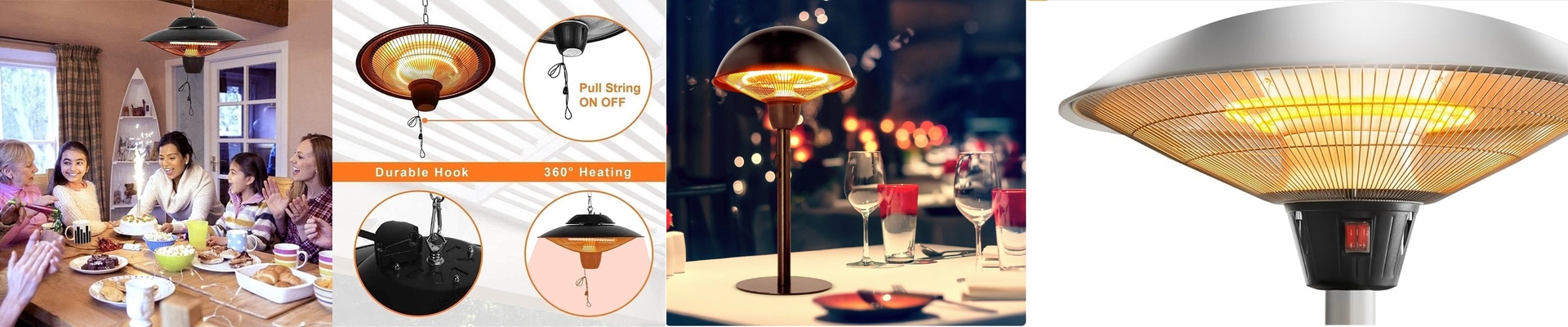
On a packed service line, that perfect gloss on a sauce—or a lukewarm puddle—can come down to a few degrees. Standard warming lamps tend to create hot and cold spots, which makes you overheat food just to compensate. You end up losing moisture, texture, and time. We designed these gold-coated halogen bulbs to fix that, specifically for chafing and holding stations in commercial kitchens.
What matters under the hood
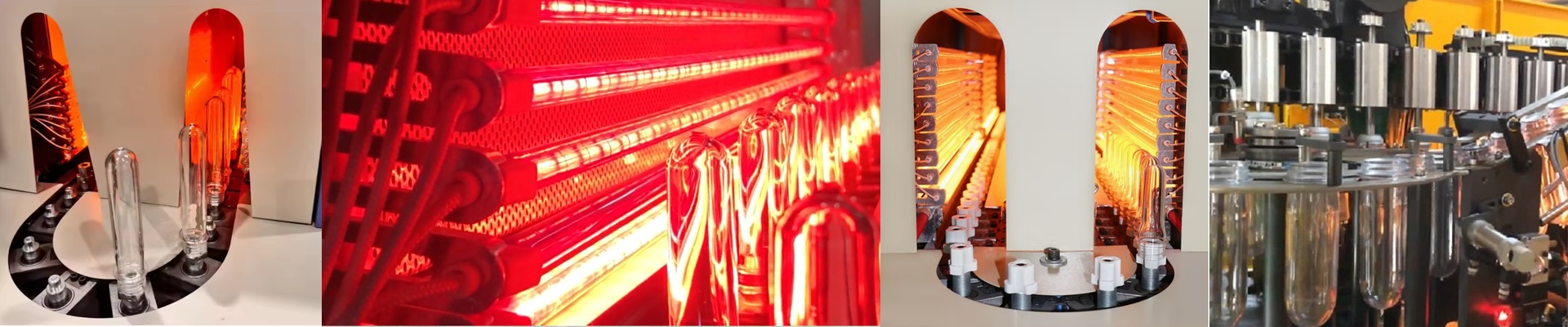
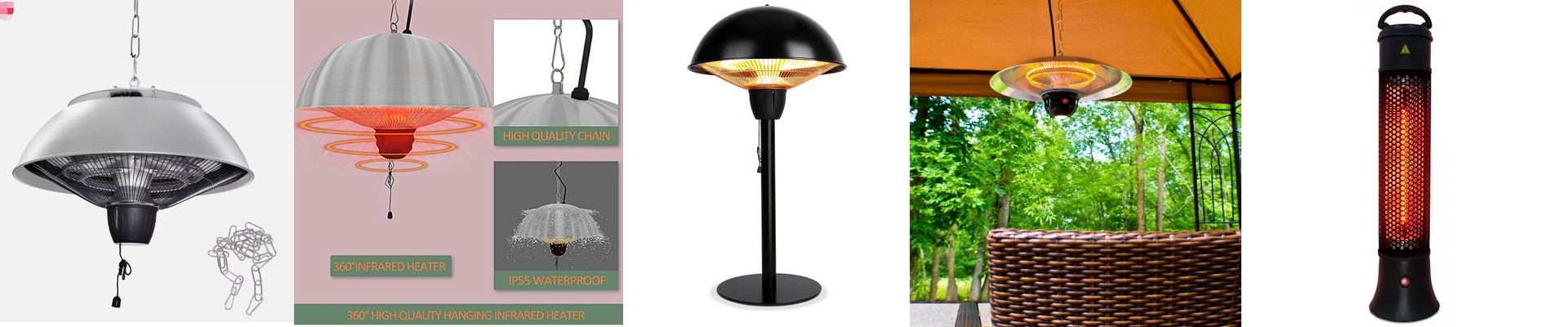
These bulbs use a quartz halogen element with a gold-coated envelope. The coating filters visible glare while letting targeted infrared energy through. That gives you a cleaner heat profile. We’re seeing a stable, repeatable output that keeps chafing pans within ±3°C across the service window, and a lateral temperature spread within ±5°C over a typical 600 mm warming zone. The filament geometry is tuned for even radiation, so you don’t get one hot pinpoint. You get a broad, controllable heat field. And the response is quick—full operating temperature in about 2 seconds—so you can bring food back to holding temp fast without scorching the surface.
Why this plays on the pass
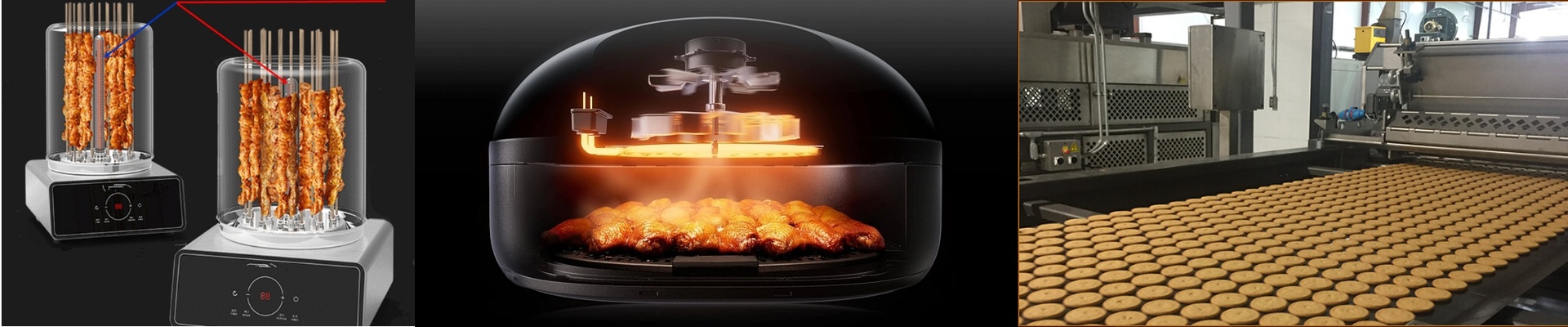
On the line, heat has to behave predictably. With this halogen bulb, sauces stay glossy, soups hold steady, and buffet items stay appetizing longer. The even heat field cuts down on edge drying and top scorching, so food quality stays consistent from the first plate to the last. Because the bulb hits temperature almost instantly, you can react to rushes without waiting. You can dial in holding without chasing temperature swings. Energy use drops, too—halogen delivers high radiant efficiency straight to the pan, instead of wasting time heating the surrounding air.
The practical details
These bulbs run hot at the surface. Clearance to combustibles and mounting distance have to follow the fixture rating. They’re also polarity-aware—match the socket type and make sure the fixture can handle the wattage. For best performance, keep the bulb and reflector clean. Grease and a dust film will throw off heat distribution and shorten service life. Expect strong, stable output over thousands of hours, but plan replacements on schedule—just like you do for every critical heating component.