
Getting Heat Fast: The Magic of Linear Quartz Tubes
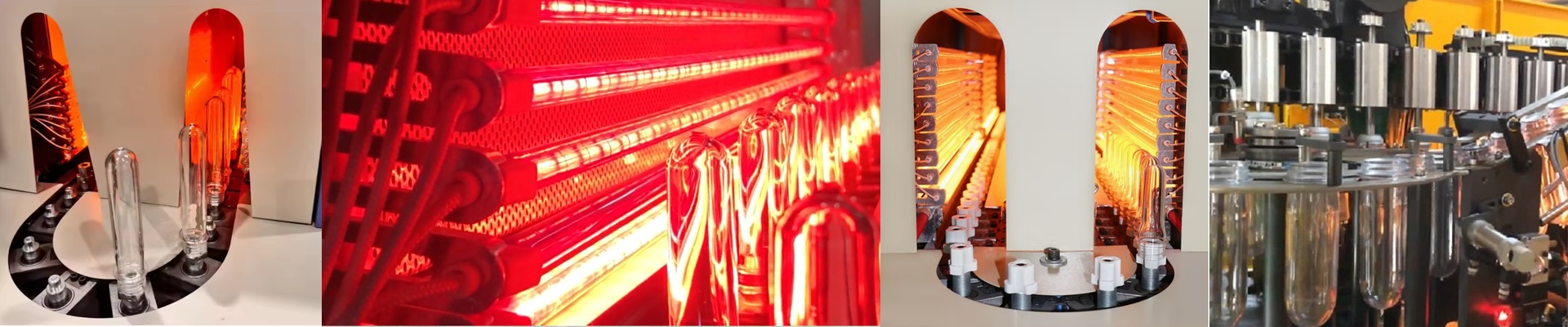
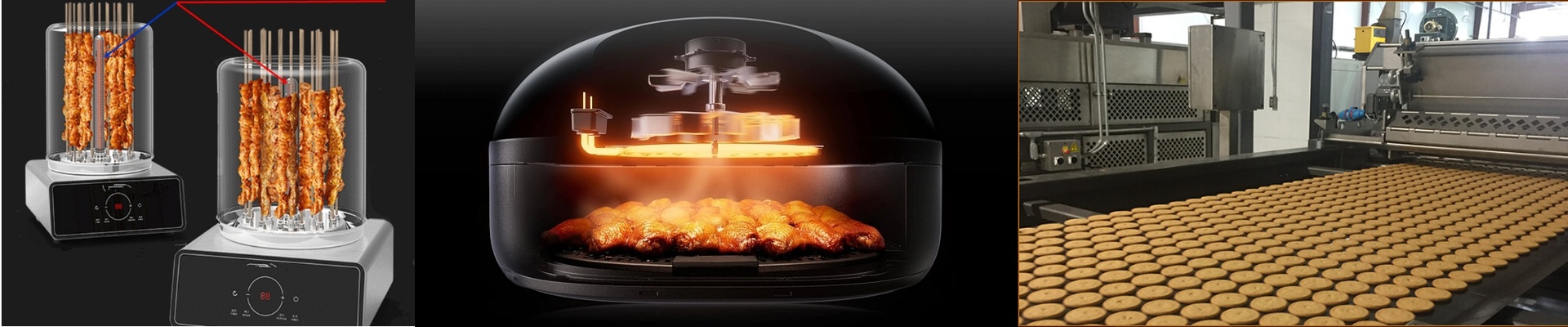
If you’re trying to hit sterilization temperatures in a matter of seconds, you’ll quickly find that standard convection heating just doesn’t cut it. It’s too slow. That’s why we use linear quartz tubes. Instead of wasting time heating up the air around the object, these tubes blast direct infrared radiation straight onto the surface. Whether you’re disinfecting a cabinet or running a bakery oven, it’s nearly instant. You flip the switch, and boom—you’ve got peak heat. How it actually works Inside each tube is a tungsten filament wrapped in high-purity quartz glass. We use quartz because it handles extreme heat without warping and lets the energy pass through easily. Depending on your voltage, you get a concentrated beam of short-wave or medium-wave IR in a very small space. It’s incredibly powerful. But a word of warning: if you cram too much wattage into a tiny cabinet, you’re going to bake your own chassis. Make sure your ventilation can actually handle the heat these things put out. Fitting them in We keep the hardware simple. We use standard industrial connectors—like R7s or Sk15 bases—so they just slide right in. The main goal here is a tight electrical connection that won’t arc or flicker as the metal expands from the heat. Plus, because the quartz is chemically stable, it won’t leak anything into the air. That’s a big deal if you’re working with food-grade equipment where purity is everything. The trade-off Nothing is perfect. That “instant-on” speed puts a lot of stress on the filament. When you flip the power on and off constantly, the tungsten expands and shrinks rapidly. Eventually, it’ll just burn out. If you want your tubes to last longer, here’s a pro tip: use a stepped power-up sequence if your controller can do it. By easing into the heat rather than hitting it with a hammer, you reduce the thermal shock and get a lot more life out of the lamp.