



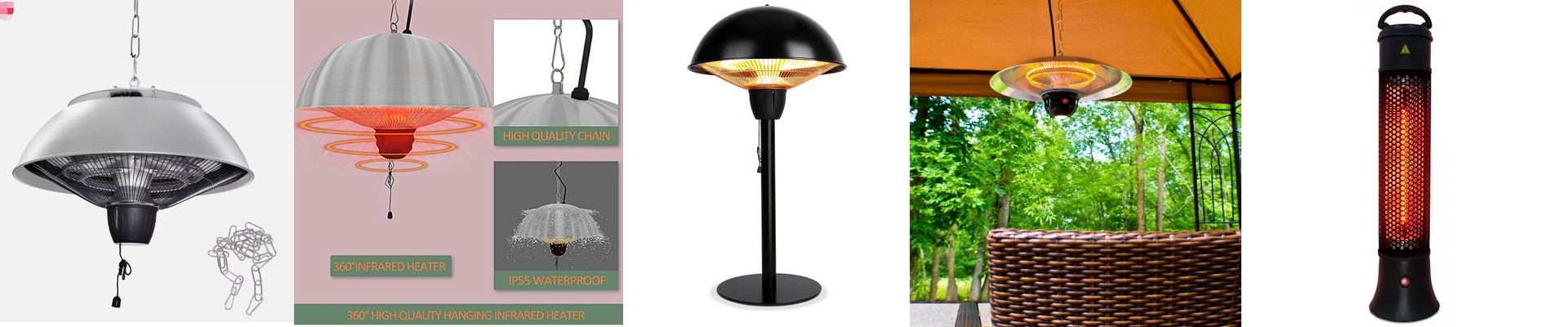
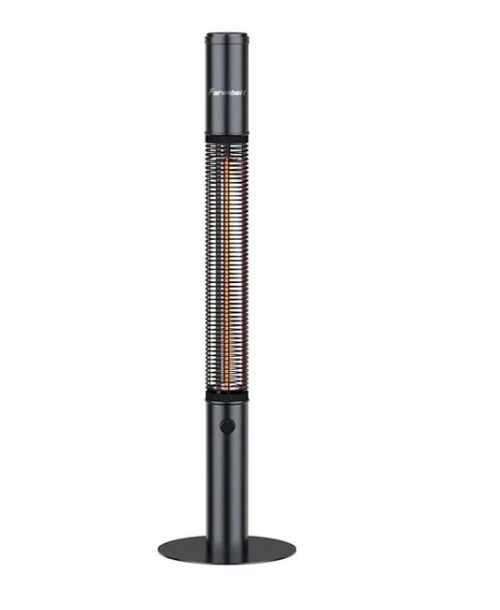
IP65 Infrared Heaters for Bathrooms: Getting the Power Right
We build infrared heating elements specifically to handle wet, wild bathrooms. The IP65 rating isn’t just a checkbox—it means the housing and seals are tough enough to stop water jets and dust from getting inside. In a bathroom where humidity spikes and you’re spraying cleaners all the time, that protection is a must. The big question is always power. How much do you really need? A small, tight toilet doesn’t demand the same oomph as a large, open shower area. Matching the wattage to the room’s size keeps you from overdoing it—which wastes energy—or underdoing it—which leaves surfaces damp and the air chilly.
Power, Voltage, and Size—Let’s Talk Real Numbers
Heat output is directly tied to wattage. We make units that range from 150W all the way up to 2500W, so you can match the heat to the square footage. For a small bathroom, 150–300W is enough for spot heating. Medium to large bathrooms do well with 500–1000W for solid area coverage. And if you’re dealing with commercial showers or you need rapid drying, the 1500–2500W units bring the heat. Voltage matters too, depending on your electrical run. A 230V or 400V supply lowers the current compared to 110V, which means less voltage drop over distance and smaller wire sizes. Then there’s the physical fit—tube length and mounting footprint determine where the element sits. Choose the length that lines up with your brackets and gives you the heat pattern you want.
Why the Materials and Design Actually Matter
The heating element uses a halogen-filled quartz tube. Quartz handles sudden temperature changes without cracking, and it keeps output steady. The halogen fill keeps the filament clean, so performance stays consistent over time. The protective, reflective coating does two jobs. It pushes heat forward and shields the internal parts from splashes and condensation. Even when the tube gets wet, that coating helps maintain output. For connectors, we use R7s and SK15 because they terminate quickly and securely. They carry high current, lock in place, and make the unit a true drop-in replacement.
Real-World Use: Simple Swap, Big Payoff
These elements are built as direct replacements. You wire them the same way, with the same mounting footprint. The IP65 sealing keeps the electronics dry, so you spend less time on callbacks and more time knowing the job is done. A 400V 2500W tube delivers serious heat density, but your machine’s cooling and ventilation need to be set up to handle the extra warmth. When you match the wattage to the space, you cut down on standby losses and keep humidity in check. The result is a bathroom that feels warm, dries properly, and just works.