

Why we stopped sealing our waterproof heaters shut
Here’s the problem with most waterproof heaters: they’re too sealed. Usually, when a heating element burns out in a standard IPX5 unit, you’re stuck. You either have to rip out the entire housing or fight with permanent seals that weren’t meant to be opened. It’s a nightmare. So, we decided to do things differently. We moved to a modular setup.
The struggle with IPX5 and heat
An IPX5 rating basically means the unit can handle water jets hitting it from any angle. To make that happen, we use tight gaskets and sealed cable entries. But there’s a catch. When you seal something that tightly to keep water out, the heat has nowhere to go. The inside gets hot—fast. If you’re setting up the control system, just keep in mind that this thermal buildup is real. You’ll want to account for it so you don’t keep tripping the over-temperature limit.
Just slide it out and swap it
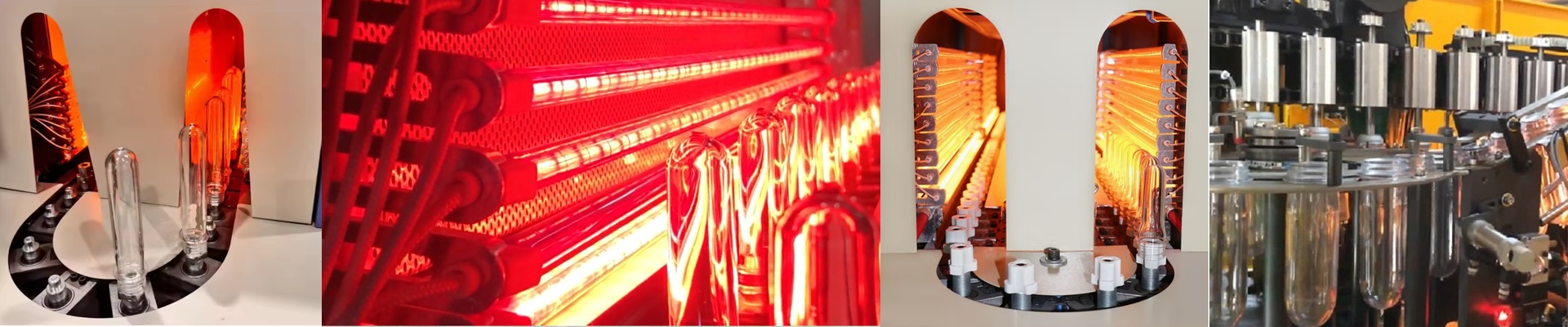
We wanted our infrared modules to be “drop-in” replacements. Imagine it’s five years down the line and a tube finally gives out. In the old days, you’d be rewiring the whole machine. Now? The elements sit in a slide-out chassis. You just unscrew the fasteners, pull the module out, and slot a new one in. It turns a few hours of frustrating downtime into a couple of minutes. No fighting with messy sealants or weird custom brackets. It’s just a simple mechanical swap.
The reality of maintenance
Industrial shops are brutal on equipment. Even with the IPX5 protection, you’re going to see some oxidation at the connection points over a few years. That’s just how it goes. Because we went modular, you can actually check those contact pins without tearing the whole waterproof shell apart. If you’re using these in a wash-down area, do yourself a favor and check the seals every 12 months. A worn-out gasket is the fastest way to a short circuit. We kept the module footprints standardized, so you can just keep a few spares on the shelf and swap them out during your regular downtime.