

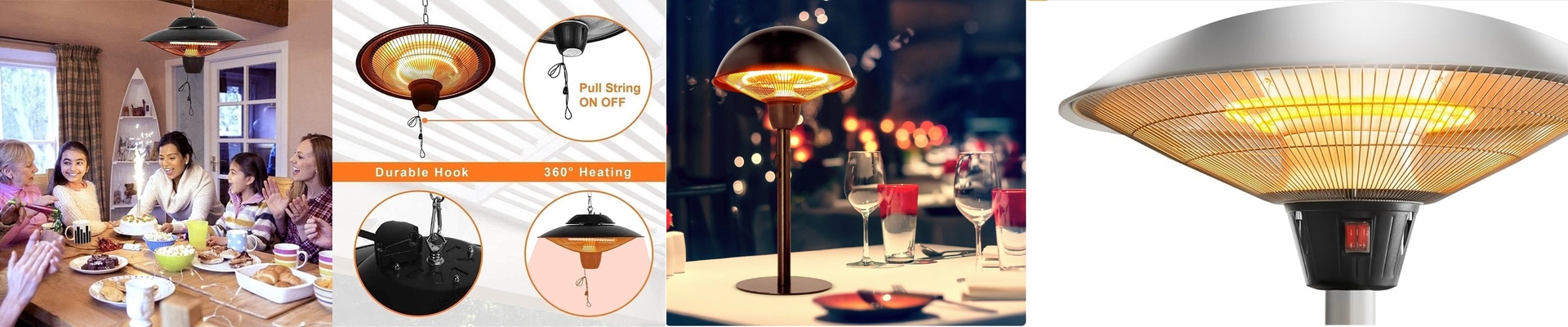
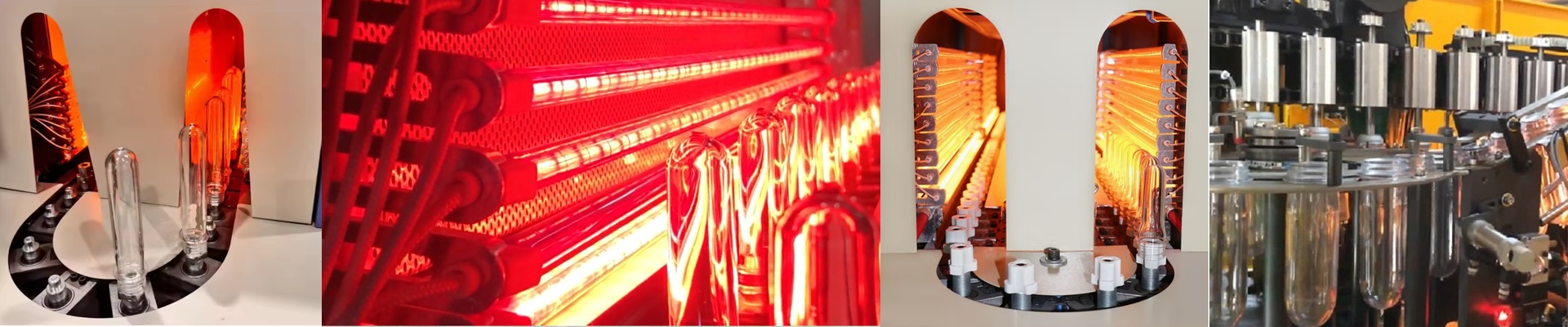
In a hot yoga or fitness studio, you can feel the difference the instant the infrared warmth hits. Clients settle in faster, breath steadies, and the first sweat comes sooner. When the heat lags, the whole class stalls—people wait for the room to come alive, and the instructor ends up working twice as hard just to keep the rhythm. A Bluetooth electric heater built around infrared radiant heat cuts that delay by warming bodies directly, not just the air around them.
What matters under the hood
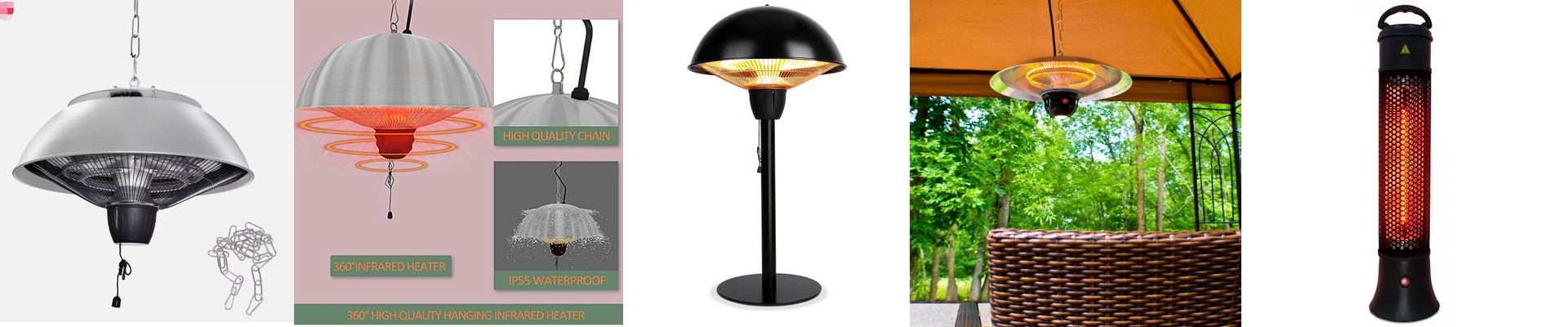
We pair a high-efficiency infrared element—carbon fiber or a quartz tube—with directional reflectors to focus the radiant energy where it’s needed. The payoff is instant warmth that reaches skin and muscle quickly, with minimal air movement to stir up dust or disturb studio air quality. A built-in Bluetooth controller lets you adjust intensity from your phone, so you can pre-set heat for different class blocks without stepping across the room. Electric operation keeps the unit clean, quiet, and easy to install, and built-in safety features—like overheat protection and tip-over protection—help keep sessions worry-free.
Why this approach fits hot yoga and fitness
Infrared heat pairs naturally with these spaces because it delivers deep, penetrating warmth that helps clients reach a good sweat faster. That translates to a shorter warm-up, more consistent pacing, and an experience members can count on—session after session. For studios, it’s a genuine service differentiator: you can offer heat-enhanced classes as a premium option, tailor heat by instructor or session, and support detox-focused programming without overhauling the HVAC. Energy use stays focused where it matters—warming people—so you’re not heating the whole building when all you need is targeted comfort.
What to keep in mind on install and operation
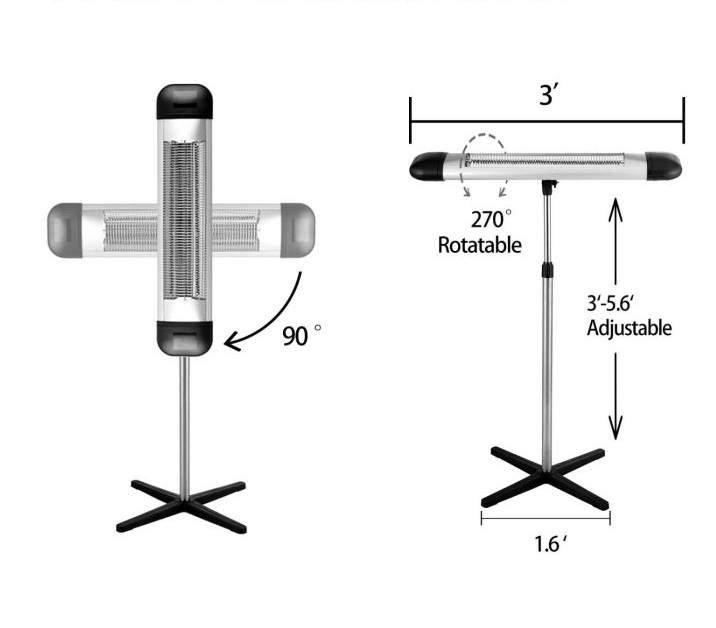
Placement matters. Infrared heaters work best with a clear line of sight to the practice area, so aim for even coverage across the mats without shining directly into eyes. Because this is electric infrared, it needs a dedicated outlet on a circuit that can handle the load; for larger studios, hardwiring is often the cleanest option. And remember, Bluetooth range is strongest within the room—walls and distance can weaken the signal, so test coverage before you roll out the class schedule.