

Keeping Your Bathroom Infrared Heater from Becoming a Hazard
Putting an infrared heater in a bathroom is a bit of a gamble if you aren’t careful. You’re dealing with steam, splashes, and constant humidity. You can’t just grab a random heater meant for a patio and hope it works. That’s a recipe for a short circuit—or worse. To keep things safe, we lean heavily on the IP55 rating and some very specific insulation tricks.
Dealing with the Steam
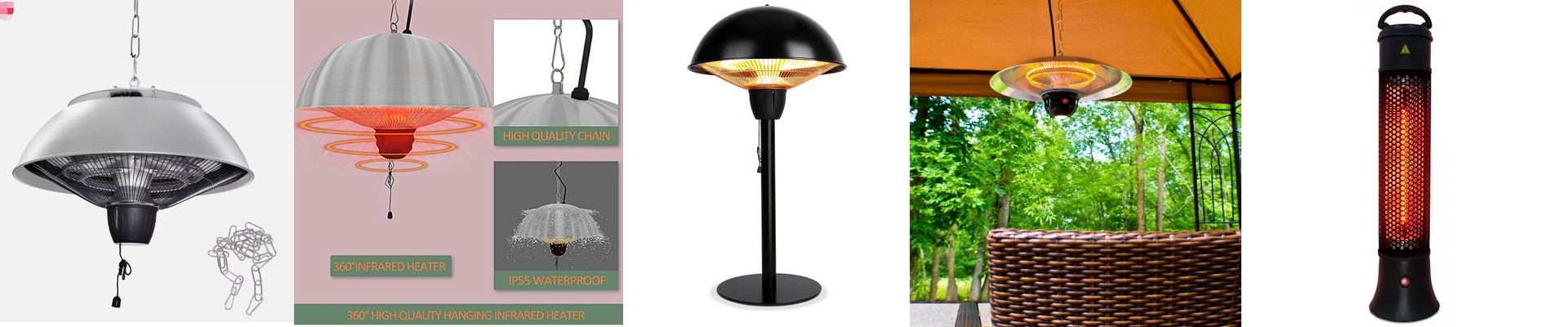
Here’s the thing about bathrooms: steam gets everywhere. It finds every tiny crack and gap. That’s why an IP55 rating is a big deal. It means the unit can handle dust and low-pressure water jets coming from any angle. We use high-temperature gaskets to seal up the internal wiring and the lamp housing. Why? Because if condensation settles on a live 230V terminal, you’ve got a massive problem. The seal keeps the moisture out so the electricity stays where it belongs.
Grounding and the “Safety Net”
We don’t take chances with insulation. We use double-insulated cabling and make sure the chassis is bonded directly to the building’s earth ground. Plus, we use ceramic insulators for the heating elements. This stops the current from leaking into the outer shell, so you don’t get a shock just by touching the unit. But the real lifesaver is the RCD (or GFCI). You absolutely have to wire these through one. No exceptions. If there is a leak, the RCD kills the power in a fraction of a second. It’s the ultimate safety net.
The Balancing Act: Heat vs. Seals
Now, there’s a catch. Tight seals are great for keeping water out, but they’re terrible for letting heat escape. If you seal a housing too tightly, the heat builds up inside and starts cooking the electronics. It’ll kill your heater way faster than you’d expect. It’s all about balance. If you cram a high-wattage lamp into a tiny, airtight box, it’s going to burn out. We always size the housing based on the lamp’s actual heat output. It keeps the components cool and ensures the heater actually lasts.