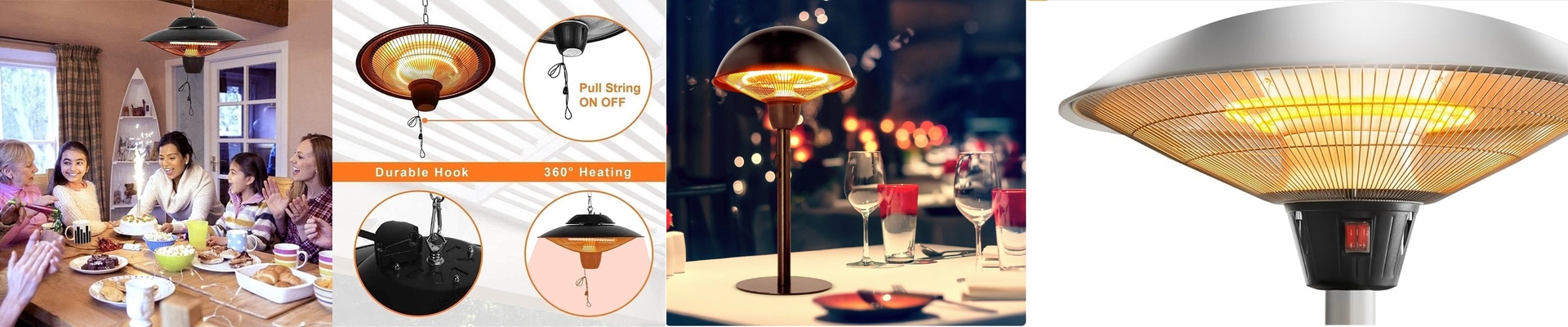
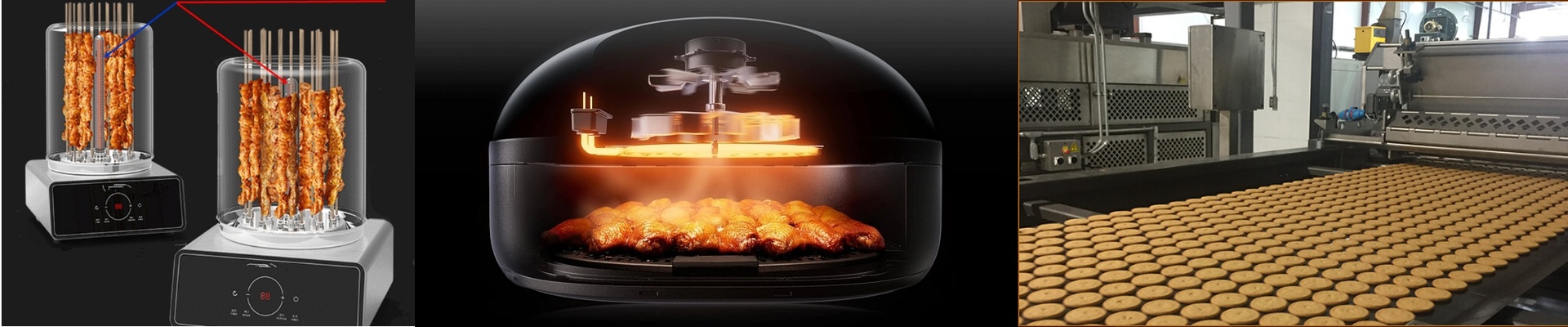
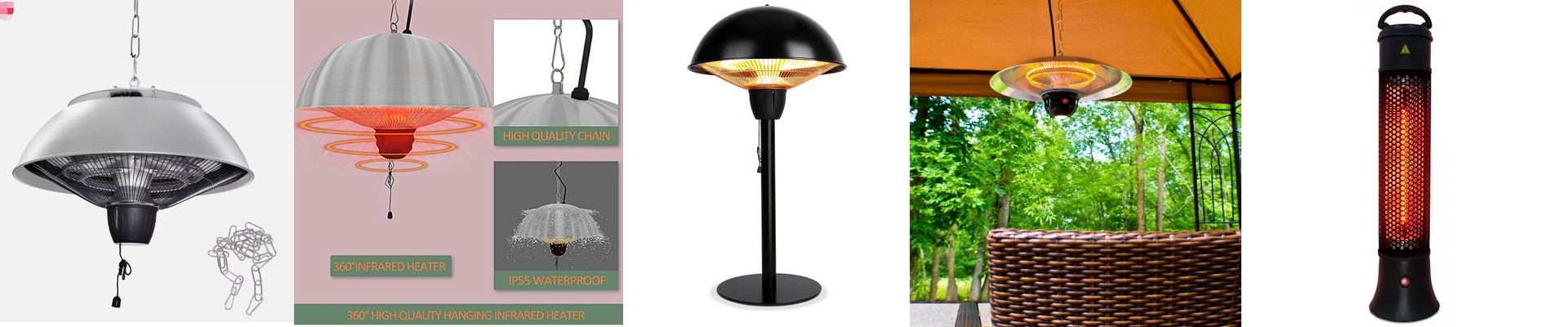
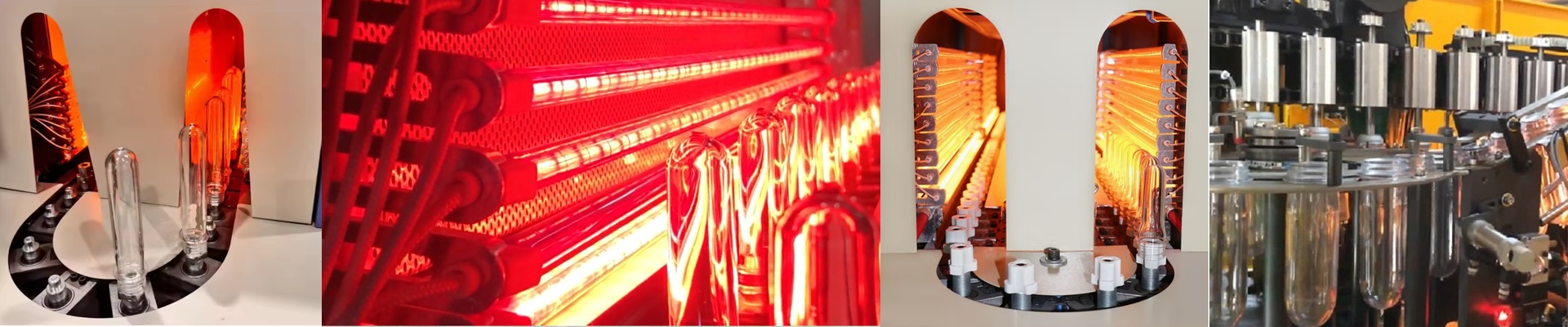

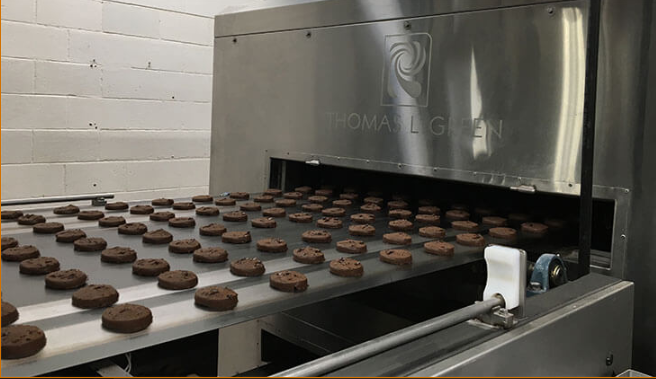
When the rush hits and you need deck heat—right now—waiting around for elements to come up is money burning away. Underbaked crusts, uneven color, and wasted energy all point back to the heating system. We built our nichrome infrared heater to cut that lag, delivering fast, repeatable heat where it matters: right at the surface where the food meets the stone.
What matters, technically
Nichrome infrared heaters turn electricity straight into radiant energy, with almost no thermal mass to drag response down. The payoff is near-instant heat-up and quick recovery after you open the door. Precision comes from holding the nichrome wire temperature tightly, so infrared output stays stable and predictable. That lets the baking chamber settle fast, and setpoints hold consistently across the stone hearth. The radiation profile stays even, so you don’t fight hot and cold spots that wreck crust color. In real kitchen terms, you get faster cycles, cleaner caramelization, and less guesswork at the pass.
Why this works where it counts
In a busy commercial kitchen, speed and consistency are the same thing. Installed in a deck oven, rotary oven, or convection unit, nichrome infrared heat targets the product directly, so you can run tighter schedules without sacrificing quality. Energy use drops because you only heat when you bake, and idle heat loss stays minimal. You end up with more bakes per shift, more uniform pans, and fewer reworks.
The practical details you can’t skip
Nichrome infrared elements run hot, so they demand matched wiring, proper clearance, and a dedicated circuit. They’re not plug-and-play across every oven; retrofits mean checking terminal blocks, insulation, and thermostat compatibility. Bring in a qualified installer, and make sure voltage and amperage line up with your kitchen’s power layout.