
Getting Your Heat Curve Right in PET Blowing
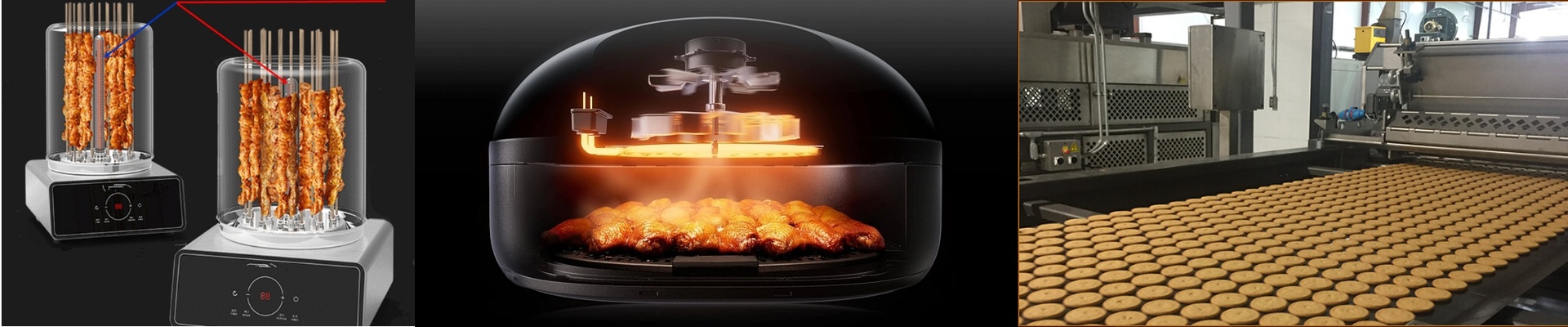
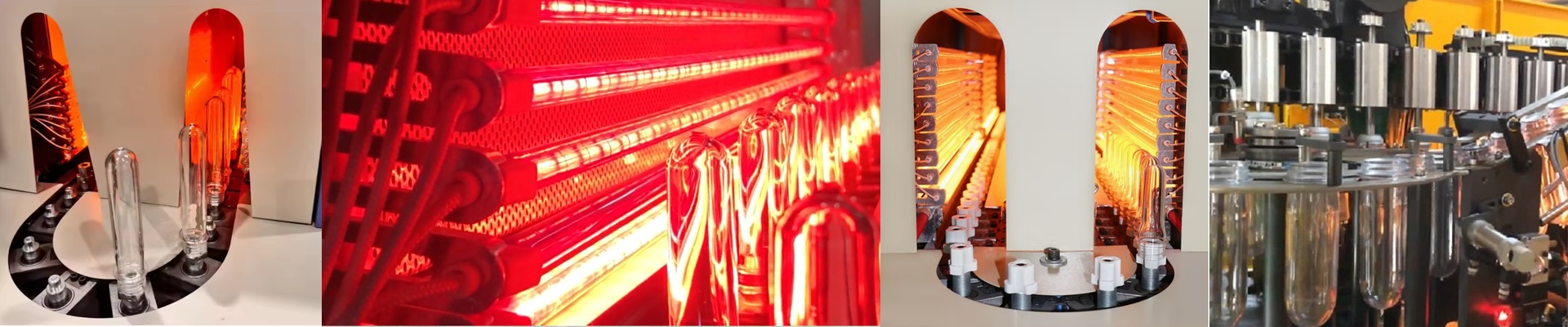
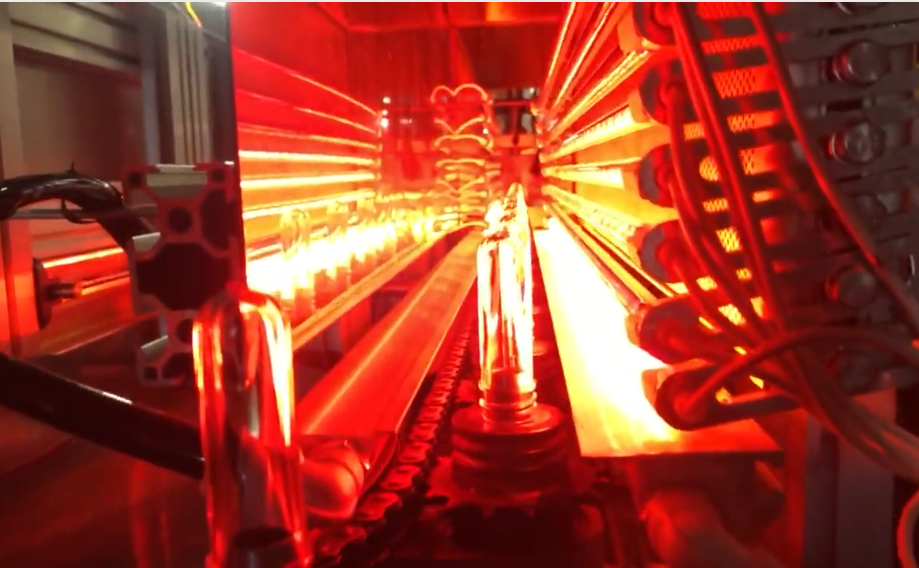
When you’re hunting for a replacement infrared lamp for a Sidel Matrix or a SIG Blomax, you aren’t just buying a lightbulb. You’re dealing with physics. If the wattage is off or the spectral output drifts—even by a tiny bit—your preheating goes sideways. That’s how you end up with pearlescence or those annoying thin walls in your bottles. It’s a headache nobody needs. The secret is in the heat curve. We build our lamps to be true drop-in replacements. But we don’t just guess at the power. We obsess over the voltage and wattage tolerances because it’s all about heat density per millimeter. By tweaking the filament length and diameter, we make sure the radiant flux hits the preform with the exact same intensity as the original part. You plug it in, and the temperature ramps up exactly the way it should. No surprises. The nitty-gritty on quartz and coatings We use high-purity quartz glass because these things take a beating from thermal shock. Most of our units run a halogen cycle, which stops the filament from evaporating too fast. This keeps your output steady for thousands of hours. Depending on your oven, we might add selective coatings to the tube. This shifts the infrared wavelength so the heat actually sinks into the PET wall instead of just scorching the surface. Real talk from the shop floor Space is tight in these machines. We use standard R7s or Sk15 connectors, so they just click into your existing sockets. No modifications, no drilling, no fuss. One quick tip: high-wattage shortwave lamps put out an incredible amount of heat. If your oven vents are clogged or your cooling fans are acting up, these lamps will burn out early. It doesn’t matter how good the lamp is—if the air isn’t moving, the lamp is toast. Keep your airflow clean and they’ll last.