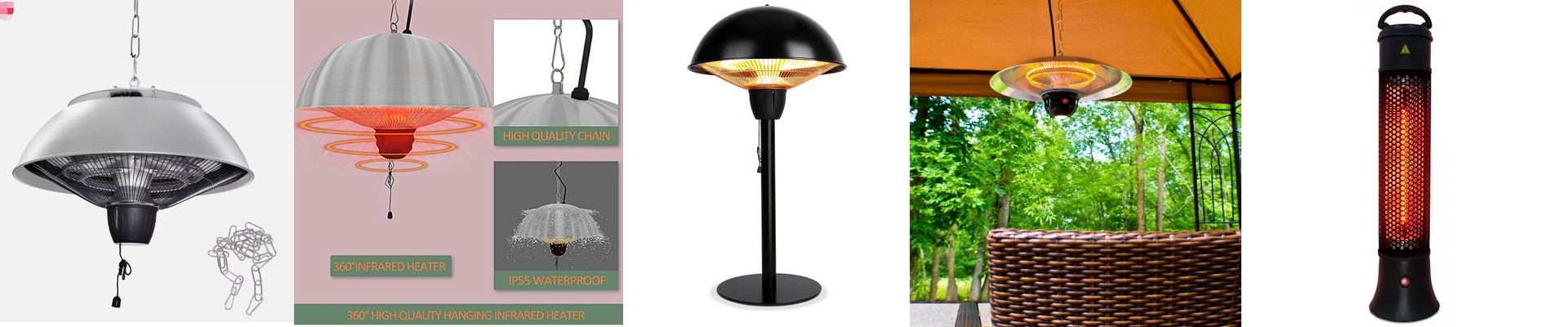
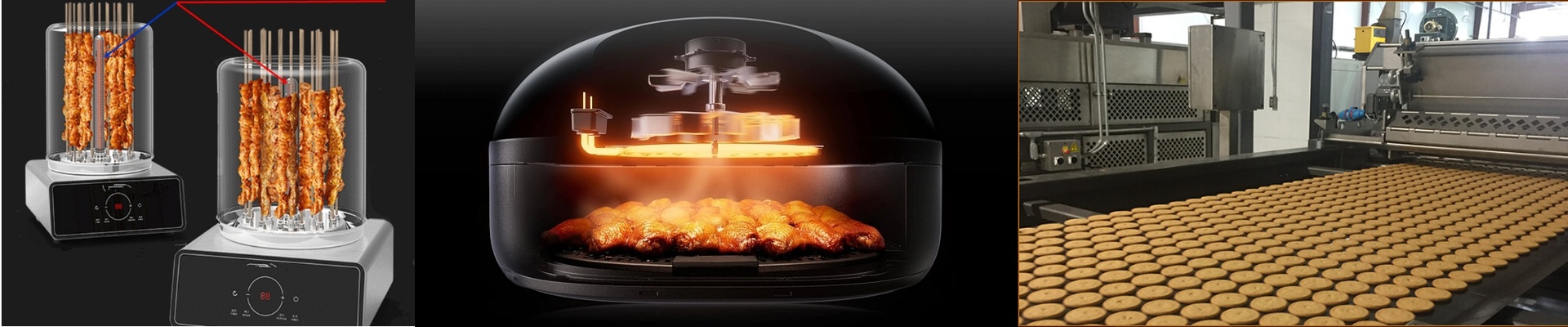
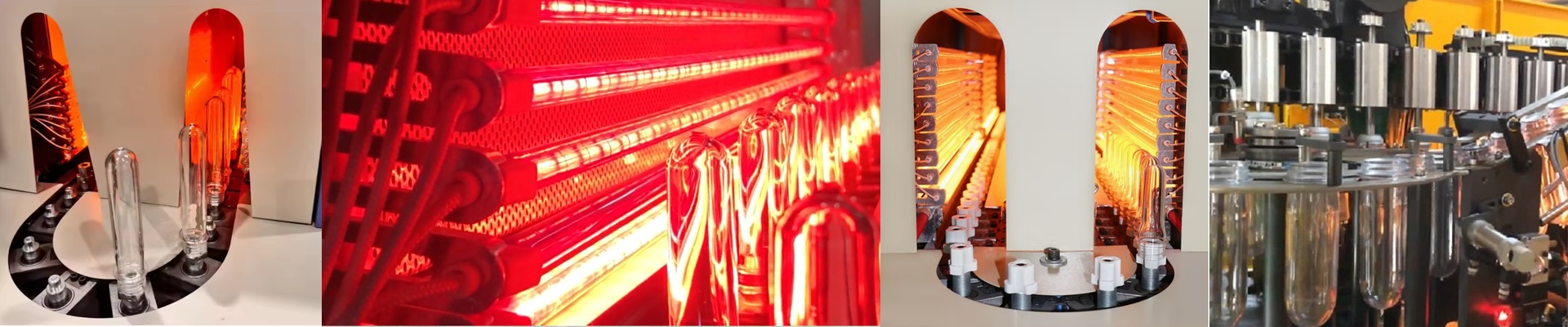


The Real Engineering Hurdle
We make tiny infrared heaters for people who need heat—and need it yesterday. It’s not just about hitting a wattage number. It’s about getting a dependable heat source into your setup, fast, without a long wait. How do we move from a sketch to mass production so quickly? We lock down the physics, then keep the mechanical side flexible.
What’s Actually Happening Under the Hood
These mini heaters are built to squeeze into tight spots without giving up output. The principle is simple: shortwave infrared throws intense, directional heat—almost instantly. So we focus on power density and how well the heat couples to the target. The point is simple: dump heat exactly where you need it, and nowhere else.
The Choices That Make It Work
We use a quartz envelope because it can handle sudden heat shocks without cracking. Inside, a halogen element gives steady output and lasts through repeated on/off cycles. The coating is tuned for high emissivity in the infrared band, so you get more usable heat and less wasted visible light. For the electrical side, we stick with R7s or SK15 connectors. That means you can wire it up fast as a direct replacement. These aren’t cosmetic details. They’re the reason we can scale production without losing the original engineering intent.
Where It Shines—and What to Watch For
This setup is perfect for spot heating, small enclosures, and pre-heating stations. The response is immediate, which keeps your process uptime solid. But there’s a trade-off: that high heat density needs proper thermal management. If you run the heater at full duty cycle, nearby components will feel it. So plan your heat sinking and airflow ahead of time. That’s just the reality of fast, focused infrared heating.