
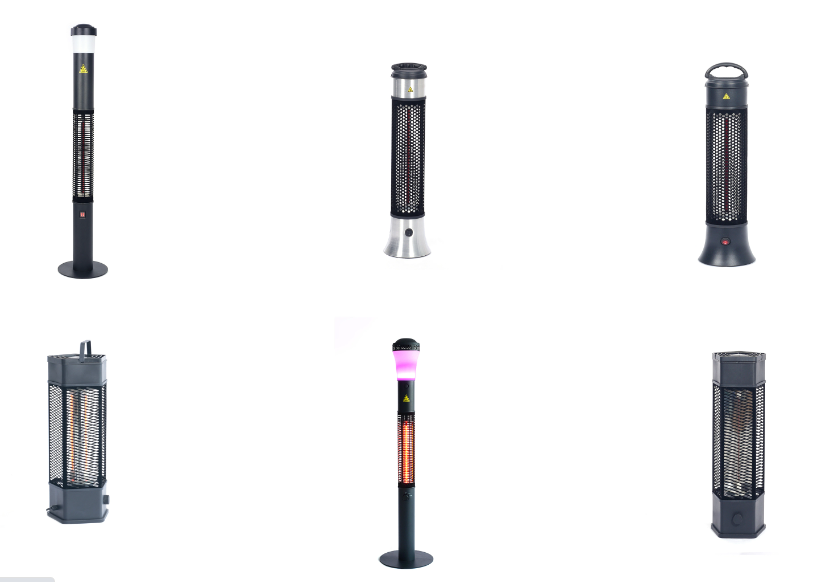
Infrared Heaters for Allergy-Friendly Spaces: The Secret to Clean, Dust-Free Warmth
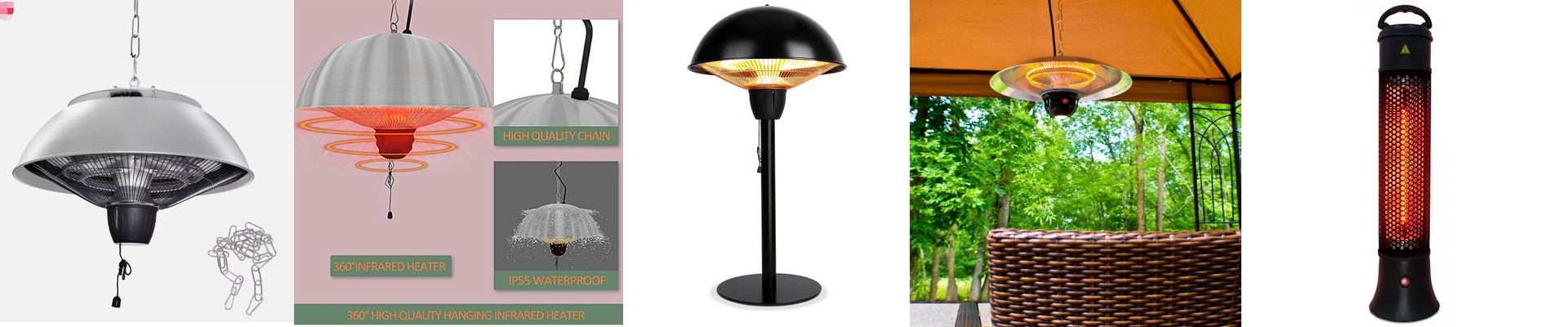
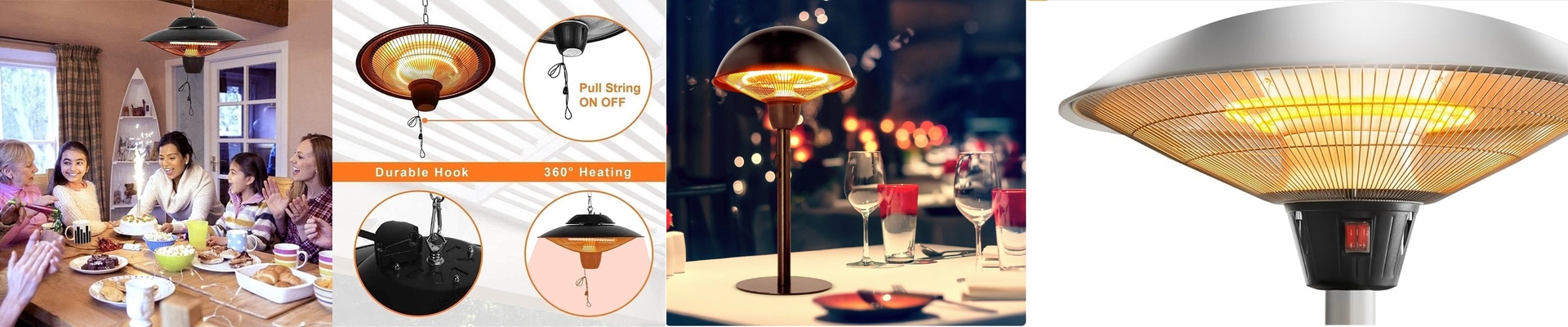
We built these indoor heaters for the folks who have to specify equipment that performs—without wrecking indoor air quality. Our infrared heaters are stylish, yes, but the real win is how they warm a room. No dry air. No dust kicked up into a frenzy like you get with forced-air systems.
How it actually works: Power, voltage, and warmth on demand
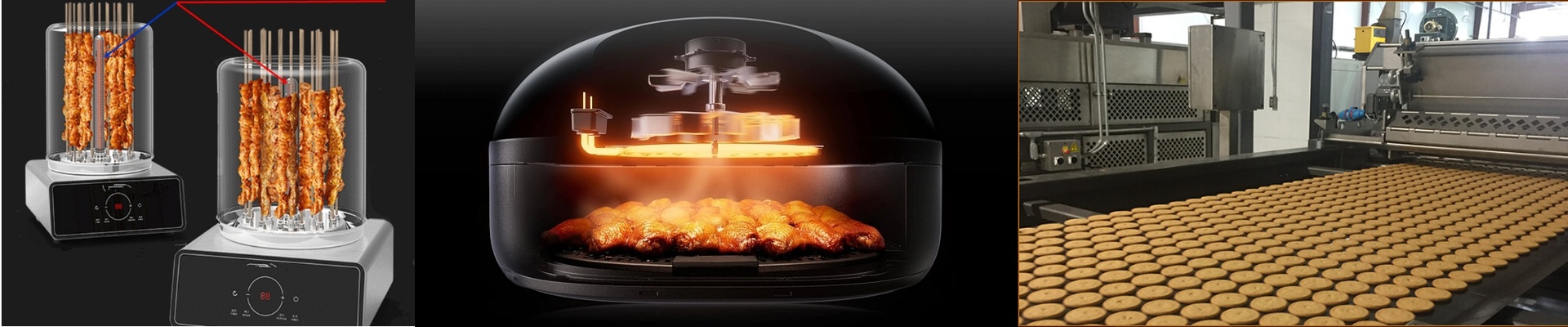
Infrared heating is simple at heart. It sends thermal energy straight to objects and people, instead of pushing air around. Our units run on standard electrical inputs, so they slide right into what your building already has. The result? Immediate, targeted warmth. And here’s the best part: because it doesn’t rely on heating and circulating air, you avoid that parched feeling from convection heating. No big air currents means no dust and other particles getting stirred up. For anyone with allergies, that’s a noticeable difference.
The build: Quartz elements and R7s connectors that do their job quietly
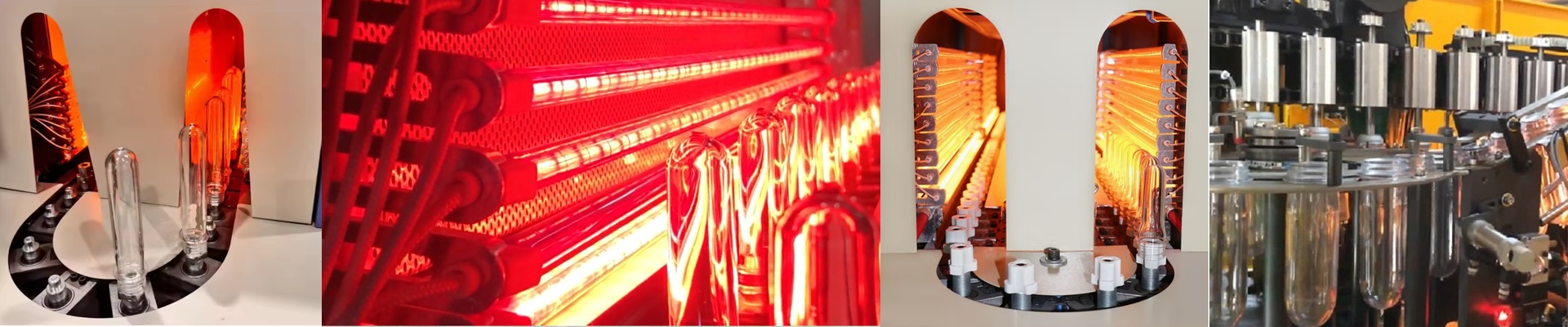
The heating element sits inside a sealed quartz tube. Quartz stays steady when things heat up and sends infrared energy efficiently. Because it’s sealed, the internal filament stays isolated from the room—so dust can’t get in, and the element stays clean. We use R7s connectors for a solid electrical connection that stays low-resistance. The linear shape makes mounting straightforward, so everything fits neatly inside the housing. And that strong terminal connection matters. It helps reduce hot spots and keeps alignment solid as the unit heats and cools—one of those weak points that can trip up high-heat setups.
What it feels like to live with: Clean air, dependable warmth
In places where clean air matters, these heaters deliver warmth without kicking up dust or pollen. The radiant heat reaches people at floor level and where they actually are, which means you can keep the ambient air cooler and still feel comfortable. Now, the trade-off is directional warmth. You feel the heat strongest in the beam path, and it’s gentler in shadowed areas. So you’ll want to plan placement around the spots where people spend the most time. For spaces where forced air is a no-go, these heaters are a simple, low-maintenance option. Clean heat. Quiet heat. That’s the point.