
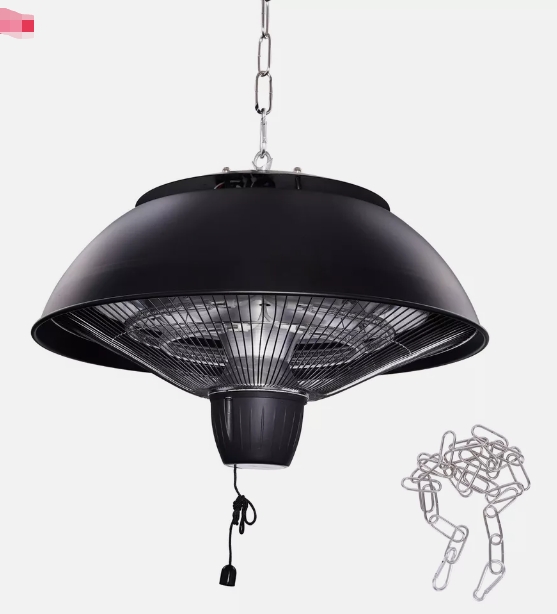
Why We Burn In Every Heater at Full Power—No Exceptions
We build industrial infrared halogen heaters for real production lines. Not for show. Not for spec sheets. You need heat that hits the mark, stays steady, and doesn’t quit when the line is running. So before a single heater leaves our shop, we run it hard. Every unit. At full power. This isn’t paperwork. It’s real life. We crank each heater up to its rated load, under controlled conditions, and keep it there long enough to force early-life weaknesses to show themselves. Weak parts. Workmanship quirks. Tolerances that drift. We catch them here, on our floor, not on yours. The payoff is simple: fewer failures in the field, fewer sudden stops, and less money tied up in spares. Yes, full-power aging costs more time and energy. We accept that. Because the alternative—callbacks, scrap, and downtime—is a price you can’t afford.
A Closer Look: Power, Voltage, and Stability
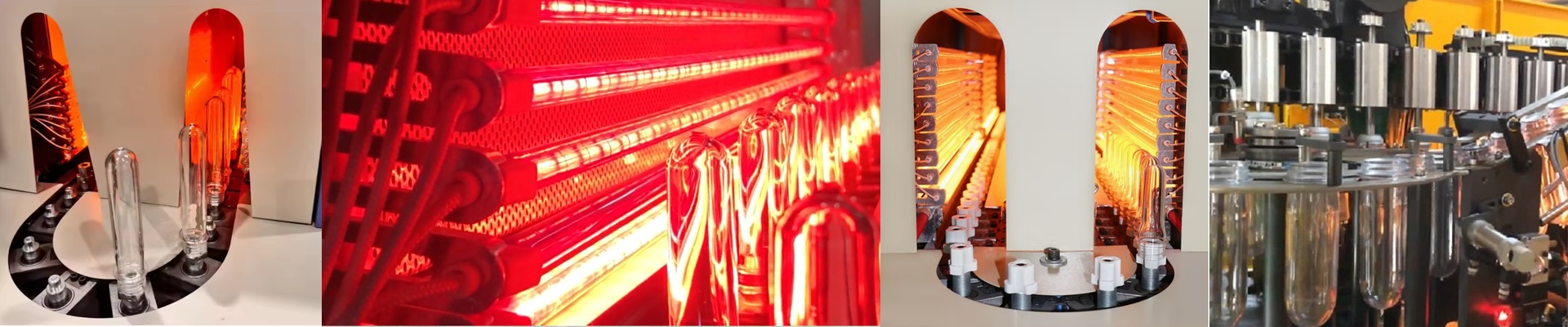
Infrared heaters are current-driven. We design them to deliver stable wattage at a specific voltage. During burn-in, we watch the numbers like a hawk: does it pull the expected current? Does it hit operating temperature? Does it hold steady, or does it drift? High heat density means the internal elements take a beating with every cycle. If a component or joint is even slightly marginal, it will show under full load. We check voltage drop across connections, keep an eye on resistance, and confirm the quartz envelope behaves as it should. If it survives the burn-in, it’s far more likely to survive your day-to-day cycles. One practical note: full-power operation throws off serious heat. Make sure your space has enough ventilation, and that the mounting surface can handle the load.
The Inside Story: Halogen, Quartz, and the Right Connections
Inside the tube, we rely on the halogen cycle. It keeps the filament stable at high temperatures by putting evaporated material back where it belongs. The result is consistent output over the life of the tube—no fast dimming like you get with non-halogen lamps. The envelope is quartz, chosen for its resistance to thermal shock. It can handle fast heat-up and repeated cycling without cracking. That said, it’s still glass. Treat it like glass—firm, careful, not careless. For connections, we use purpose-built fittings—often R7s or SK15—because they’re built for high temperature and high current in a compact footprint. Good connections mean lower contact resistance and fewer hot spots. And that matters, because a weak connection is usually the first place a heater fails.
Heat You Can Count On, Day After Day
This setup is made for industrial work where uptime is the only metric that counts. Wire it. Aim it. Run it. You get fast response thanks to the high heat density, and steady output thanks to the halogen design. And because every unit is 100% aged, you’re not betting on a batch average. You get repeatable performance and a predictable failure profile. That means fewer surprises for maintenance and fewer line stoppages. One reality check: high heat density demands proper cooling and shielding. Plan your airflow and thermal isolation. If you don’t, the heater will do its job—and the parts around it might not.