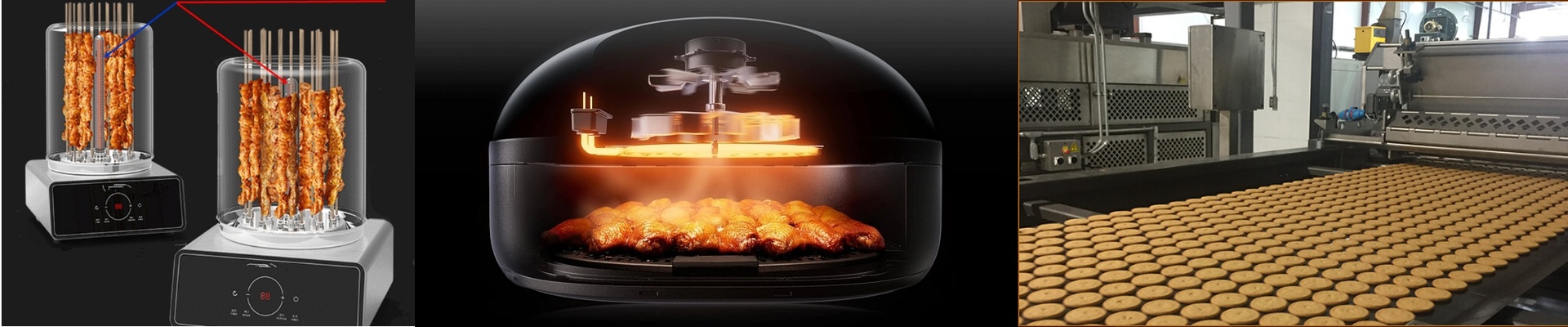
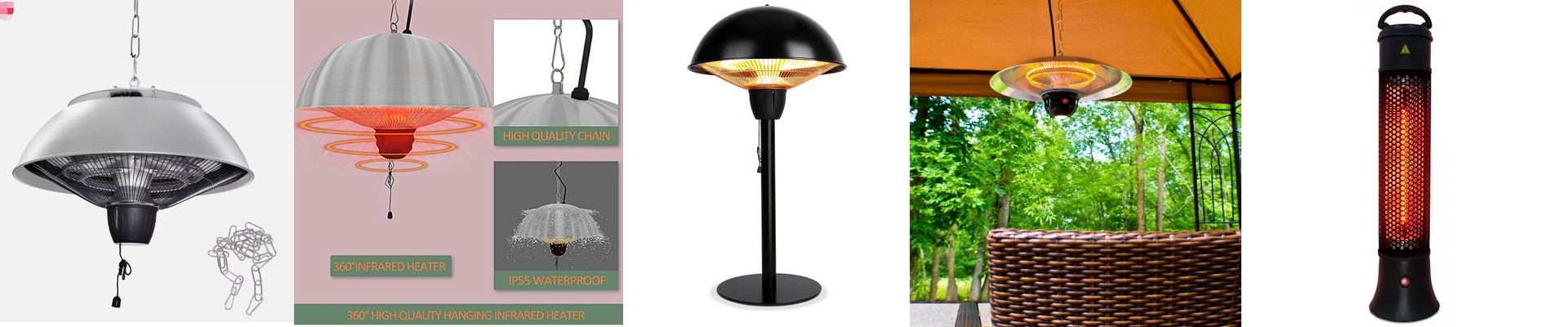

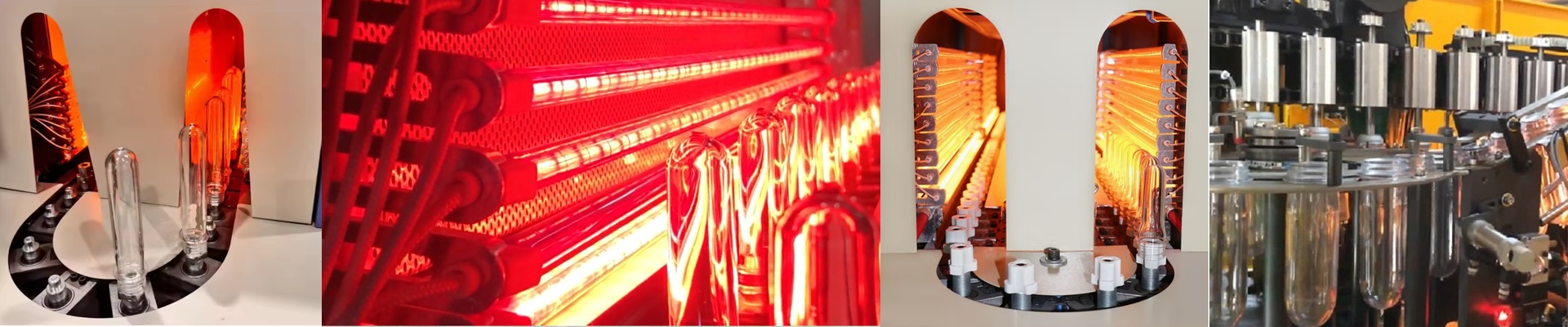
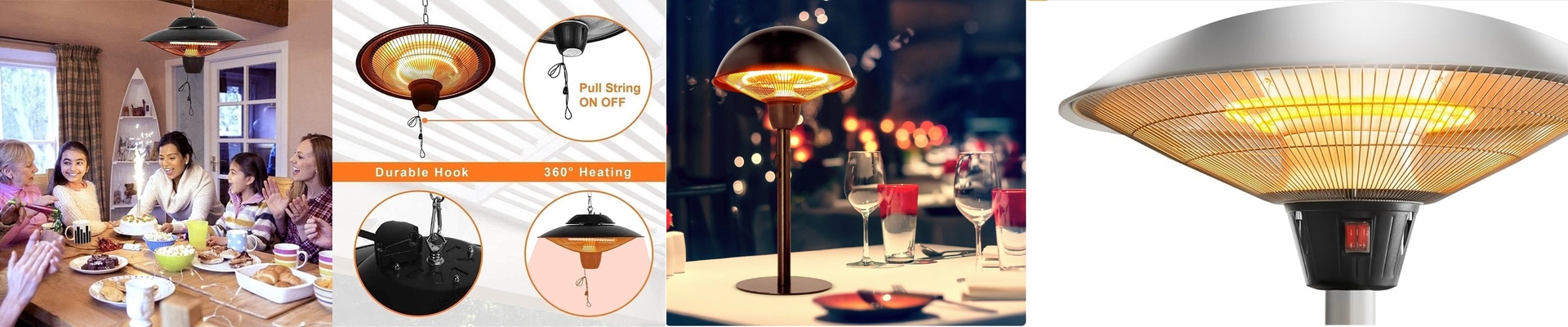
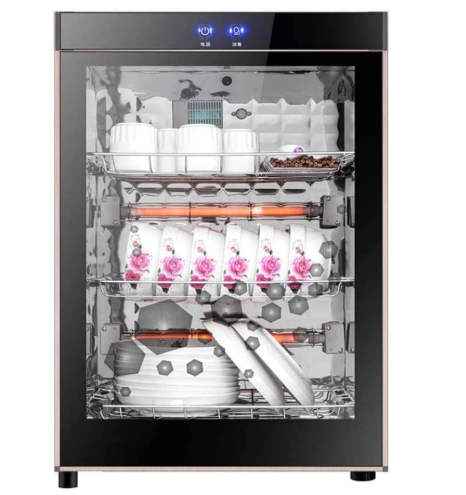
When the rush hits, a cold spot on the griddle or uneven heat across the deck oven will slow the whole line. If your emitters are underperforming, preheat drags on, energy costs climb, and you spend service fighting temperature swings. We built our food safety IR emitter for griddles to get you back on target faster and keep the heat on the product, where it belongs. The heart of it is a quartz short-wave emitter, tuned to throw intense radiant energy with quick response. Typical units run 1200–1800 W, in 120 V or 240 V configurations, and the lengths are short enough to drop into tight footprints. The quartz tube handles high heat and runs clean, and the focused output profile helps you hold a steady surface temperature instead of chasing spikes and dips. Here’s what that looks like on the line. You bring a griddle back to target in minutes, then hold it there through back-to-back orders. In a deck oven, the same emitter helps the stone hearth recover after a full bake, so the next pizza hits a consistent thermal environment. That shows up on the plate: even caramelization, predictable bake times, and fewer rejects when the pressure is on. Energy use drops because recovery is fast and the heat stays on the load, not bleeding off into the room. Installation is straightforward, but fit matters. Confirm mounting dimensions, clearances, and the griddle or oven’s voltage and terminal block spec before ordering. Surface temperature is managed by the thermostat or controller already in your equipment, so make sure your setpoints line up with the emitter’s operating range. Expect a short warm-up period after power-up, and keep the emitter and reflector clean to maintain output and temperature uniformity.